Photo: Azzedine Rouichi / Unsplash (CC0)
From a new giant reserve in Colombia’s Amazon region to a village that revived India’s lost art of public debate: here’s our recap of the best and most important pieces of constructive news and stories from September.
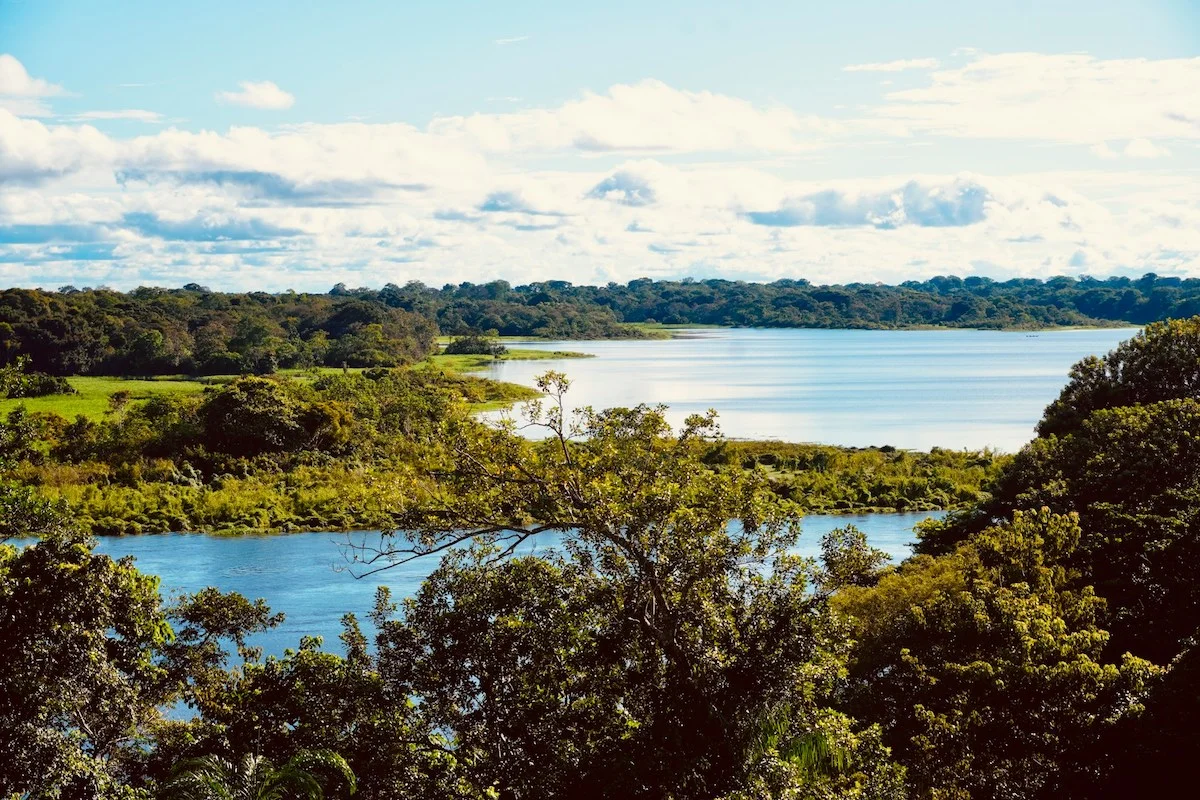
Just a few days before the end of his term in office, President Gustavo Petro has permanently barred new mining and oil projects from almost half of the Colombian Amazon, creating the Amazon’s largest reserve so far. Existing projects may continue, but no new licences will be granted.
Source: Lyxplanet
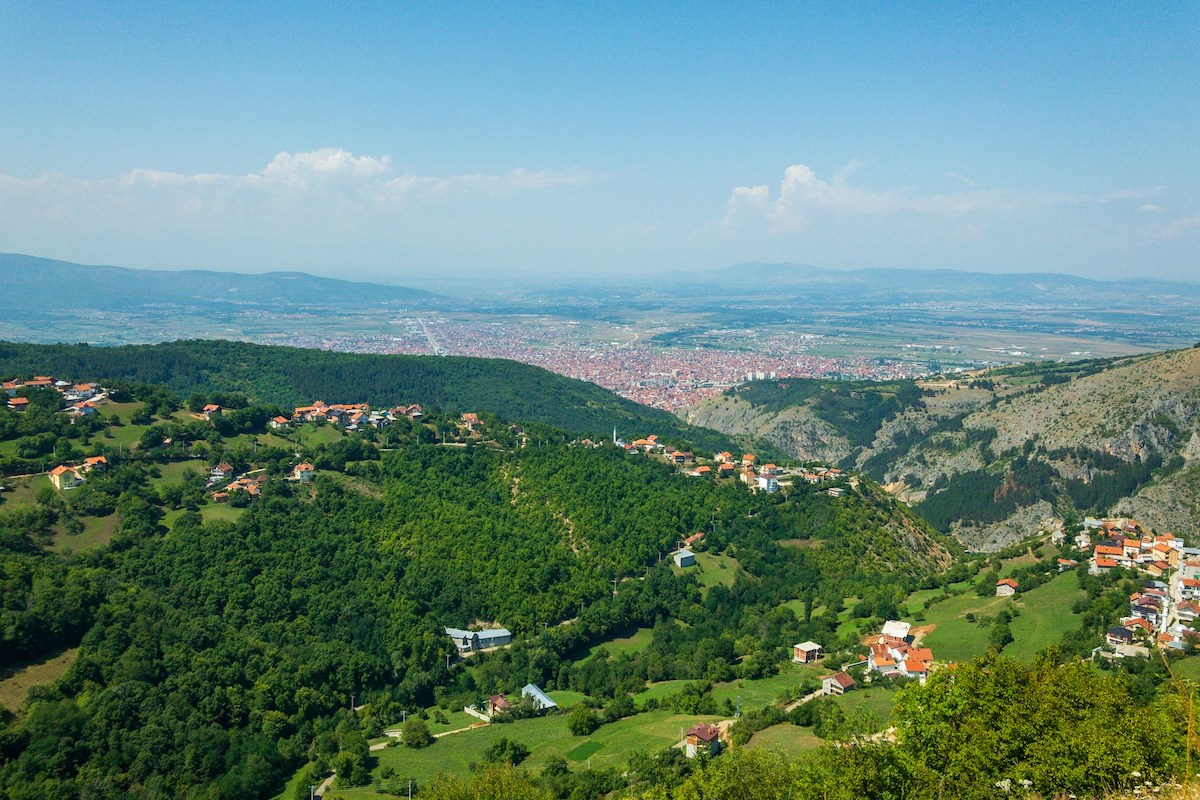
The Halo Trust, a mine-clearance charity, announced this week that it has completed its work in Kosovo, saying the land cleared of mines has “paved the way for Kosovo’s recovery.” More than 800,000 people were displaced during the 1998-99 conflict. In the first month after the war, an estimated 150 people were killed or injured by landmines, 71% of them under the age of 24.
Source: Squirrel News
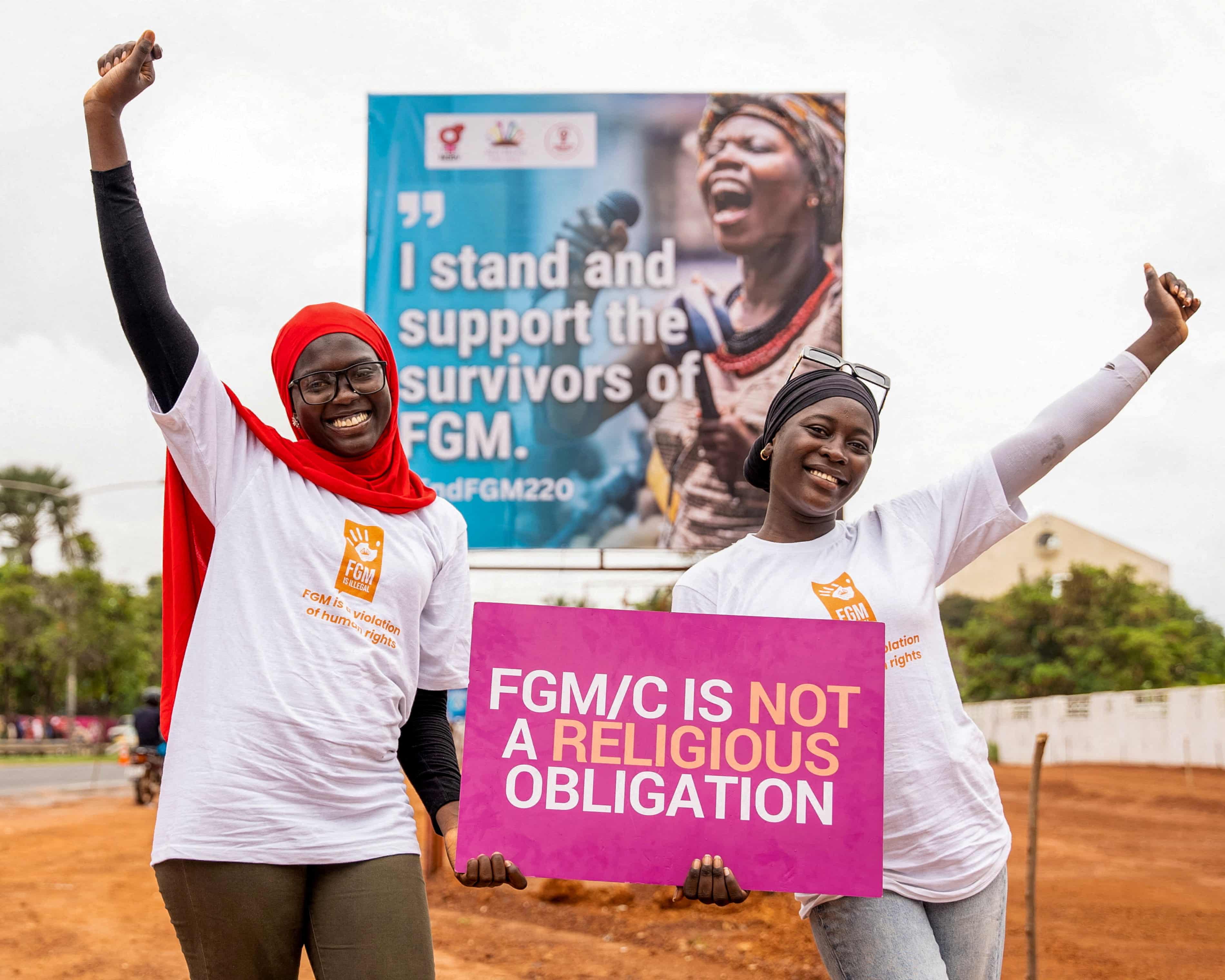
The aim of Her Horizon Fund is to pool $100m from donors to reach a “tipping point” towards ending female genital mutilation within a generation. Advocates warn that while international recognition of FGM as a human rights violation has grown, and countries such as Burkina Faso, the Gambia and Kenya have criminalised the practice, progress remains fragile.
Source: The Guardian
Between June and August, New York City saw 195 shooting incidents, 249 shooting victims and 66 murders – the fewest in recorded history for each category. Major crime dropped by 6.6% citywide in August, with The Bronx leading the decline.
Source: CBS News
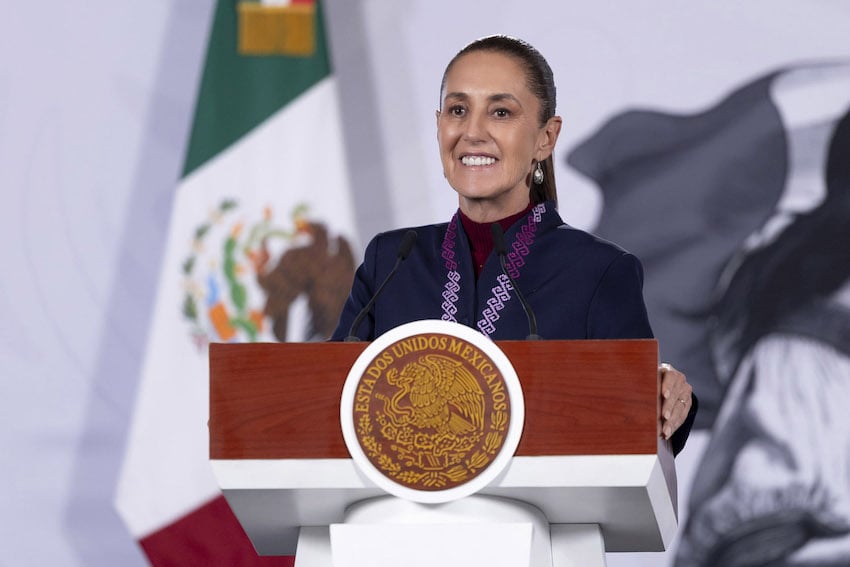
Mexico is seeing a sustained decline in homicides, with July marking the lowest monthly average in more than a decade. Daily killings fell to 42.5, continuing a broader downward trend in violent crime, and the January-July average also dropped to its lowest level for that period since 2015.
Source: Mexico News Daily
The Health House by House programme is bringing basic care directly to communities, with 22.8 million home visits carried out between July 2025 and June 2026. More than 21,000 workers are checking vital signs, updating vaccinations and connecting people to specialist care, while the programme builds the health data infrastructure needed for a planned universal health service in 2027.
Source: Mexico Business
Although member states are not affected equally and more men commit suicide than women, suicide rates have dropped across the EU in general. This is largely thanks to cultural conversation prioritising the importance of mental health issues, as well as tangible suicide prevention measures.
Source: Euronews
Although significant differences remain between countries and socio-economic groups, more Europeans are playing sports and exercising more than in 2022. Additionally, many Europeans say physical activity benefits their physical and mental well-being.
Source: Euronews
The Ellinikon will transform the 620-hectare site into a new coastal district centred around one of Europe’s largest urban parks, with more than 30,000 trees and around three million shrubs covering 70% of the area in greenery.
Source: Euronews
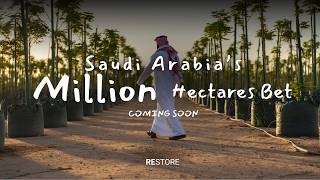
Saudi Arabia’s National Greening Programme has been recognised by the UN as a World Restoration Flagship, following efforts to restore degraded land and revive native ecosystems. The initiative has planted more than 159 million trees, restored nearly one million hectares of habitat, and helped reintroduce species including the gazelle, ibex and Arabian oryx. It has also established a national framework to tackle drought, desertification and climate change.
Source: Decade On Restoration
Solar farms overtook coal plants in July to become China’s biggest source of installed power capacity, state media reported on Tuesday. Although coal remains the dominant source of electricity generation, the new data point toward the ever-growing expansion of solar power across the region.
Source: Reuters
Argentina’s Tren Solar de la Quebrada is bringing solar-powered rail to the Andes, running 42km through the Quebrada de Humahuaca on batteries charged with locally generated solar energy. The train connects six towns in the valley, offering a lower-emission alternative to diesel while bringing more visitors to communities along the route. Launched in 2024, it can also travel nearly twice its current route on solar power alone.
Source: Euronews
Finnish company Elementic has developed a building material said to consist of 90 per cent carbon. To achieve this, it uses lignin: a by-product of the timber industry that is usually burned. The end product is a lightweight yet strong and durable material.
Source: Dezeen
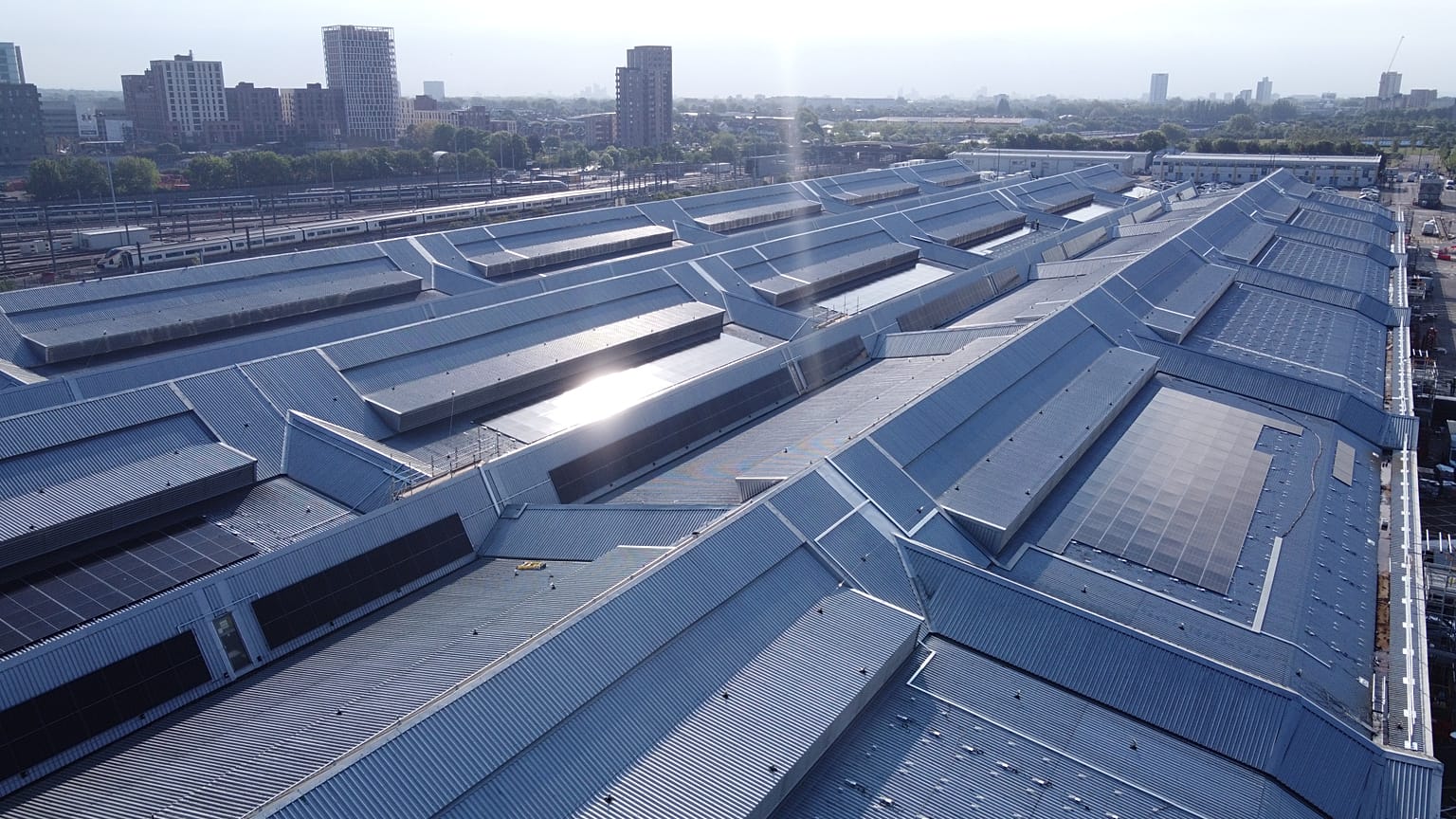
At London’s New Spitalfields Market, 2,730 solar panels will soon be generating electricity across five roofs. The installation is set to significantly reduce the energy costs and emissions of the 13-hectare market and demonstrate how renewable energy can be integrated into the commercial infrastructure of cities.
Source: Euronews
Since October 2025, women in England have been able to obtain the morning-after pill in pharmacies directly and free of charge. Within six months, almost 305,000 doses were given out, more than all NHS prescriptions the previous year combined. Women in underserved regions in particular benefit from the simpler access:
Source: BBC
The world’s four leading cardiovascular health groups have signed off on new guidance for healthcare professionals when seeing suspected heart attack patients. Historically, some less common forms of heart attack, which typically affect women far more than men, have been coded as less important, with treatment and care often worse as a result.
Source: The Guardian
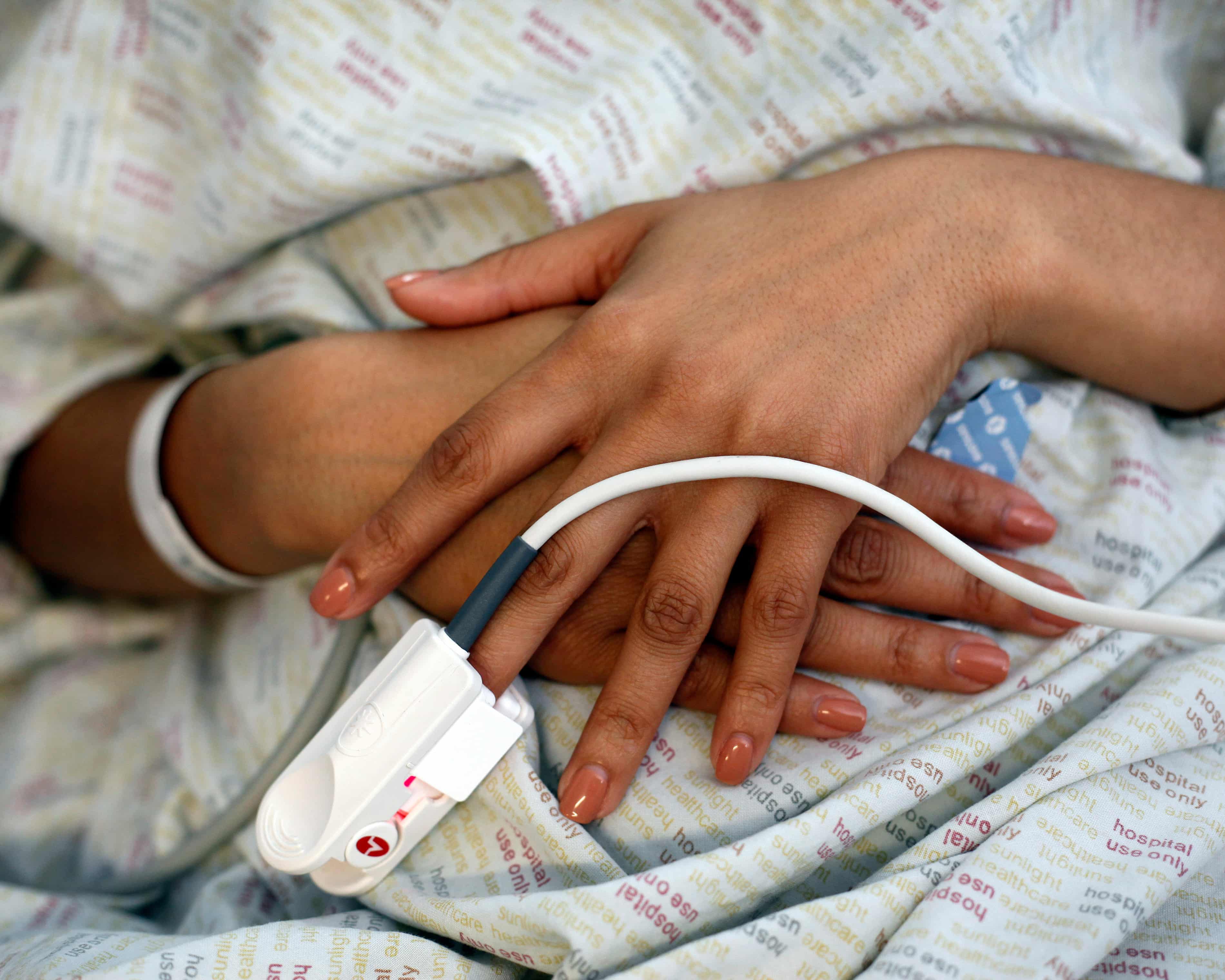
The technology has been trained on millions of electrocardiograms and works by extracting more information from a routine ECG than the human eye can typically see. The traditional ECG records electrical activity in the heart, including the rate and rhythm, and has been a vital tool in diagnosing heart attacks and abnormal heart rhythms for a century.
Source: The Guardian
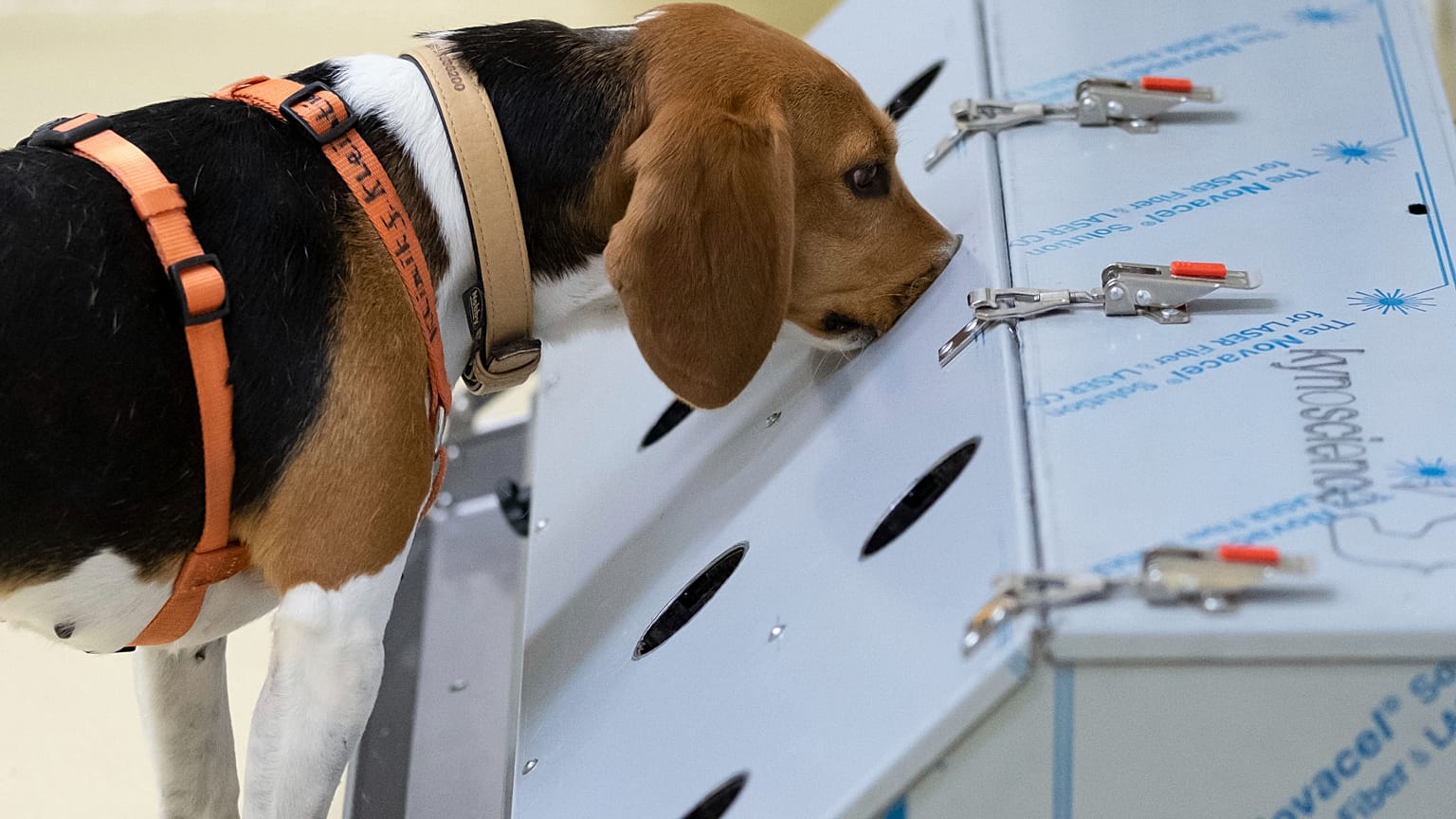
At a research centre outside Bengaluru, 15 trained dogs are learning how to identify cancer-related odours in human breath samples, as part of a novel approach to cancer screening. So far, the company claims a 90% success rate.
Source: Euronews
After decades of raising pigs for slaughter, the Faaborg family in central Iowa has turned its farm into a specialty mushroom operation. With support from The Transfarmation Project, they now grow mushrooms and sell them as tinctures, coffee blends and flavoured salt.
Source: NPR
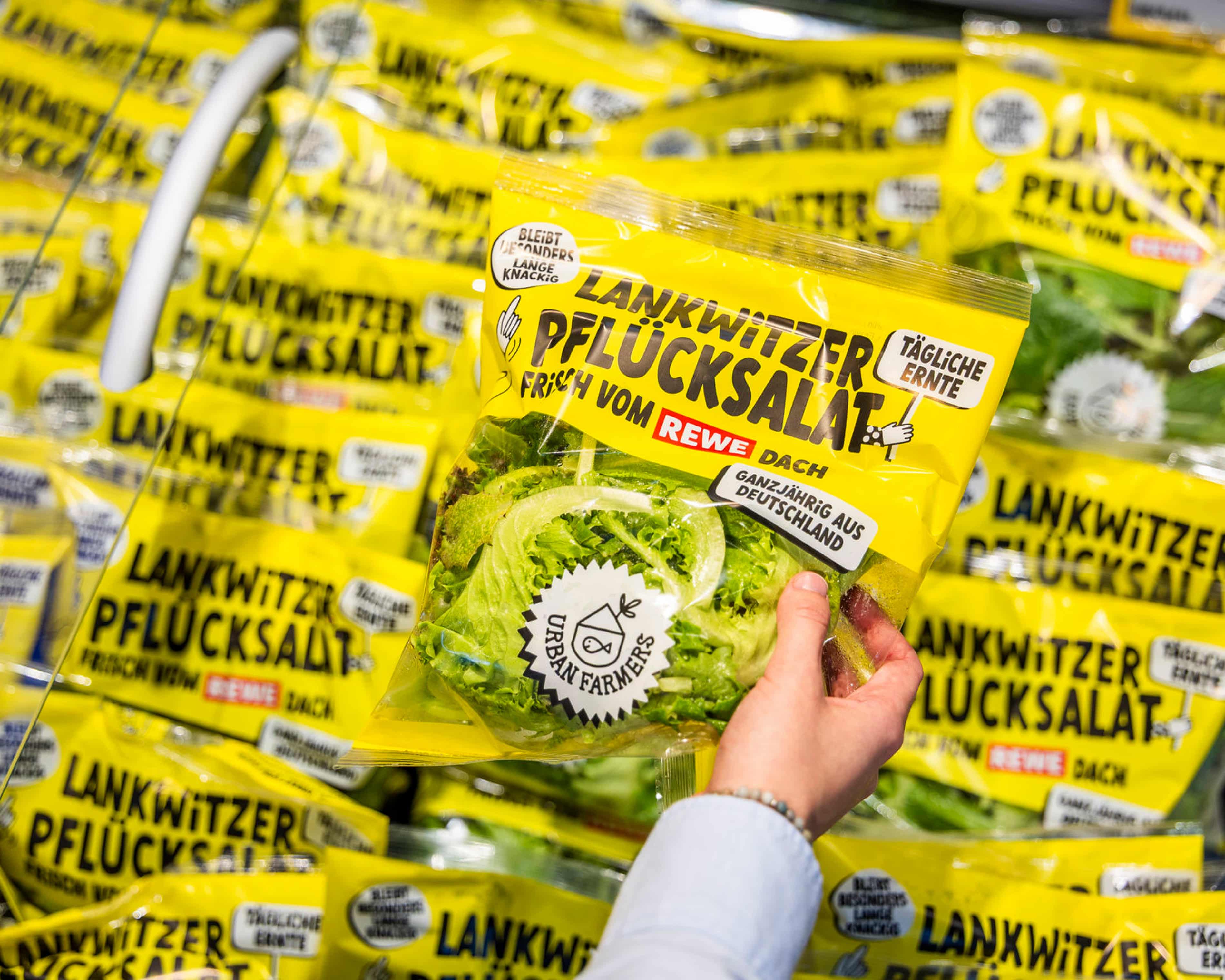
At 2,760 square metres, the Lankwitz REWE is now Germany’s largest rooftop farm. The farm makes use of hydroponic technologies: the lettuce varieties are grown with very little soil. The whole growing process takes a little over three weeks. Once cut, the greens go straight downstairs to be packaged and sold, both on site and in other stores in the city and region.
Source: The Guardian
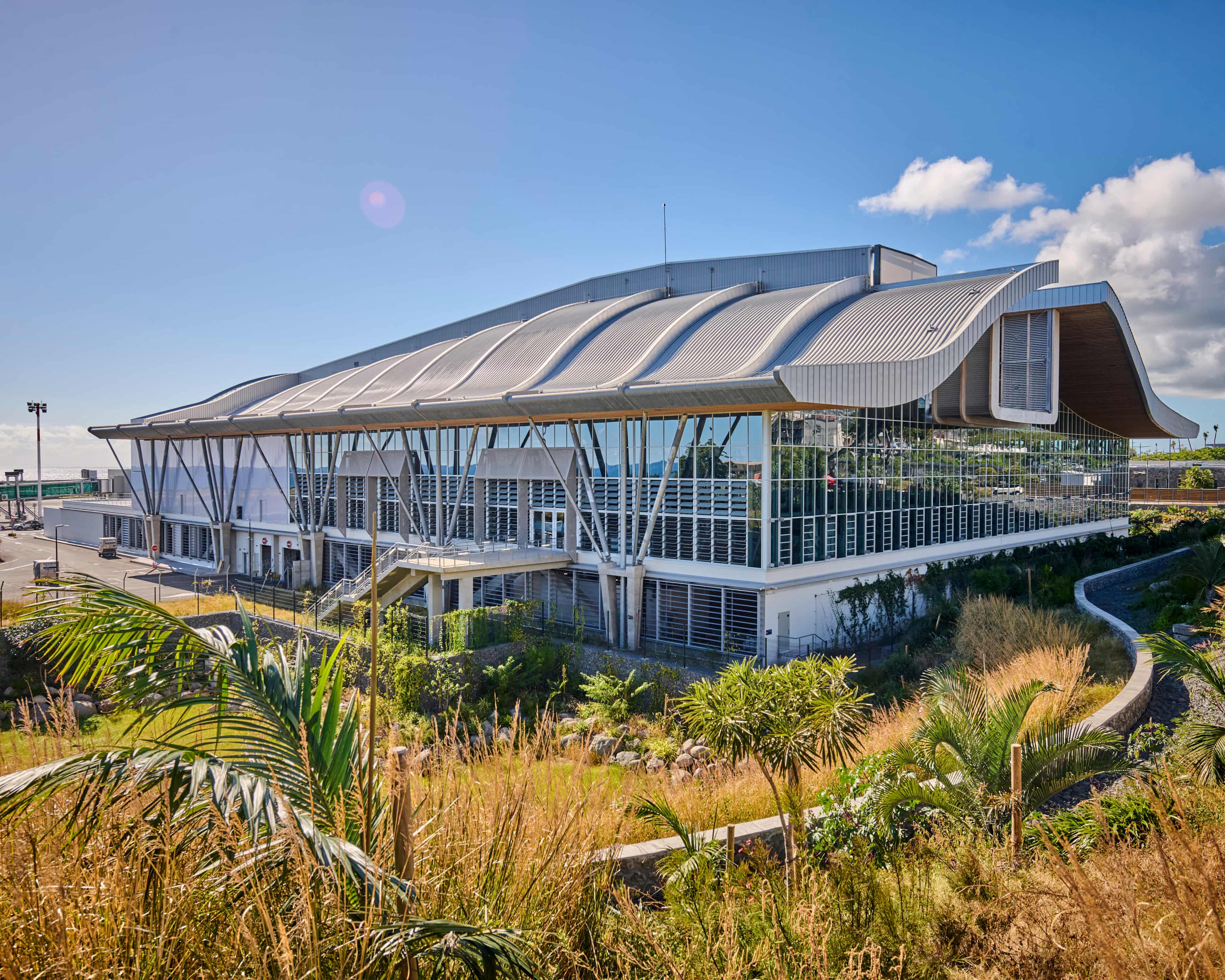
The newly constructed arrivals terminal at Roland Garros Airport on Réunion Island demonstrates advanced green architecture by functioning without energy-intensive air conditioning, relying instead on a unique ceiling design that funnels natural tropical winds to cool the building.
Source: The Guardian
Singapore is paying its citizens to pick up a book for at least 15 minutes a day in an effort to improve concentration, critical thinking and the imagination of Singaporeans. Under the scheme, readers accrue points that can be redeemed for a few cents. People will have to log 50 daily reading sessions on a government website to earn S$1.
Source: The Guardian
In partnership with the Metropolitan Opera, the city will release 10,000 tickets in a lottery every month starting in September for the 2026-27 season. In support of the scheme, mayor Zohran Mamdani said that the art form is “meant to be seen by everyone”, not only “reserved to those who can afford it.”
Source: ABC7NY
Dolly Parton’s Imagination Library is expanding to provide free monthly books to 157,000 more children, amid concerns over declining early childhood reading. The programme has already distributed more than 330 million books to more than million children worldwide since it began in 1995.
Source: Fast Company
The non-profit Leaving Maga is built on the premise that abandoning the movement is like fighting a disease or breaking an addiction. People can sign up for a newsletter that shares testimonies about people’s journeys out of Maga, access a guide on how to talk to family members and friends still engaged in Trumpism and join online group chats and meet-ups with others who have left.
Source: The Guardian
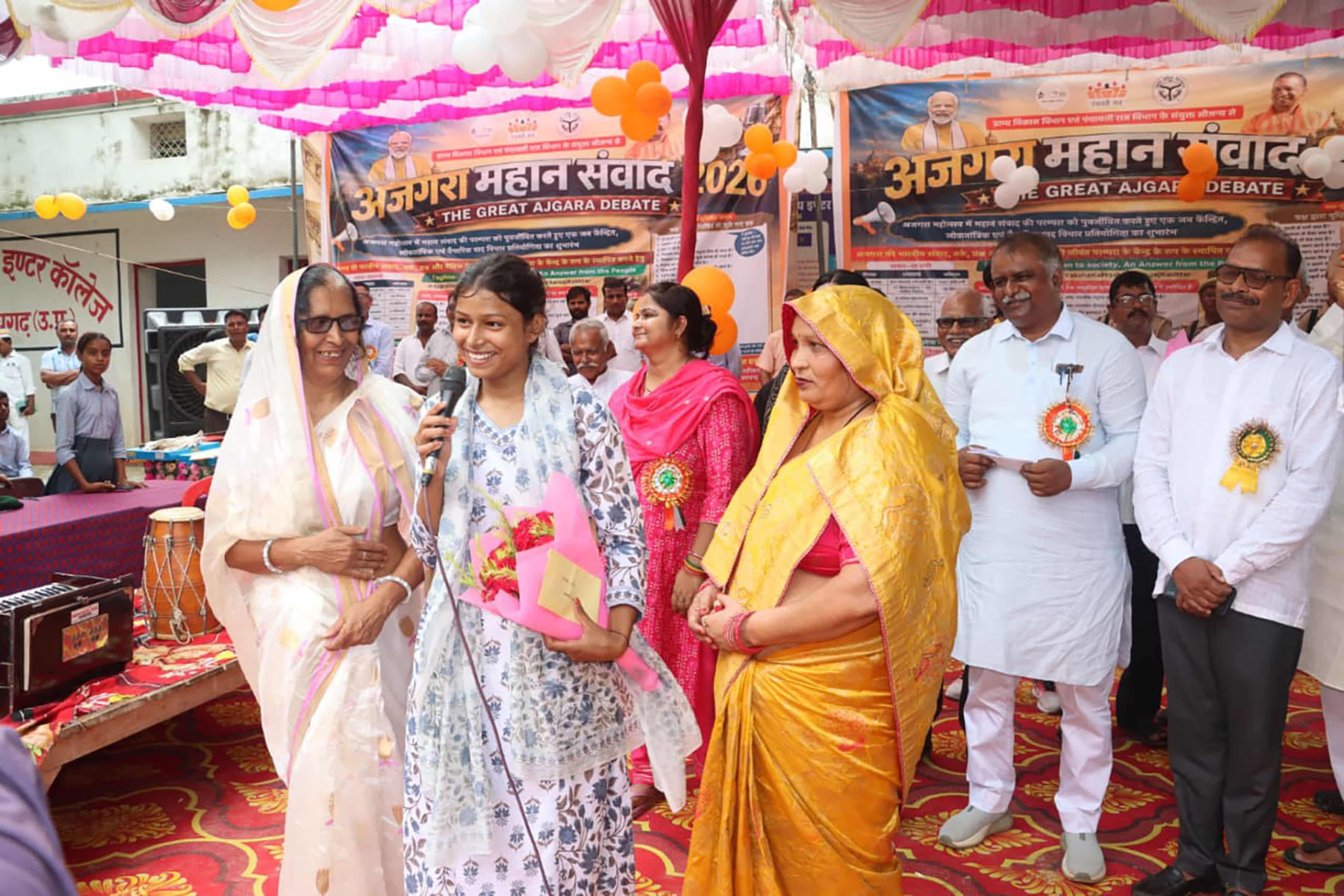
As political discourse in the country is increasingly suppressed and polarised, a local magistrate’s attempt to bring back a national tradition attracted thousands of participants to a village tent. The Great Ajgara Debate did not discriminate based on age or education: the youngest participant was a 10-year-old schoolboy, the oldest an 80-year-old farmer.
Source: The Guardian
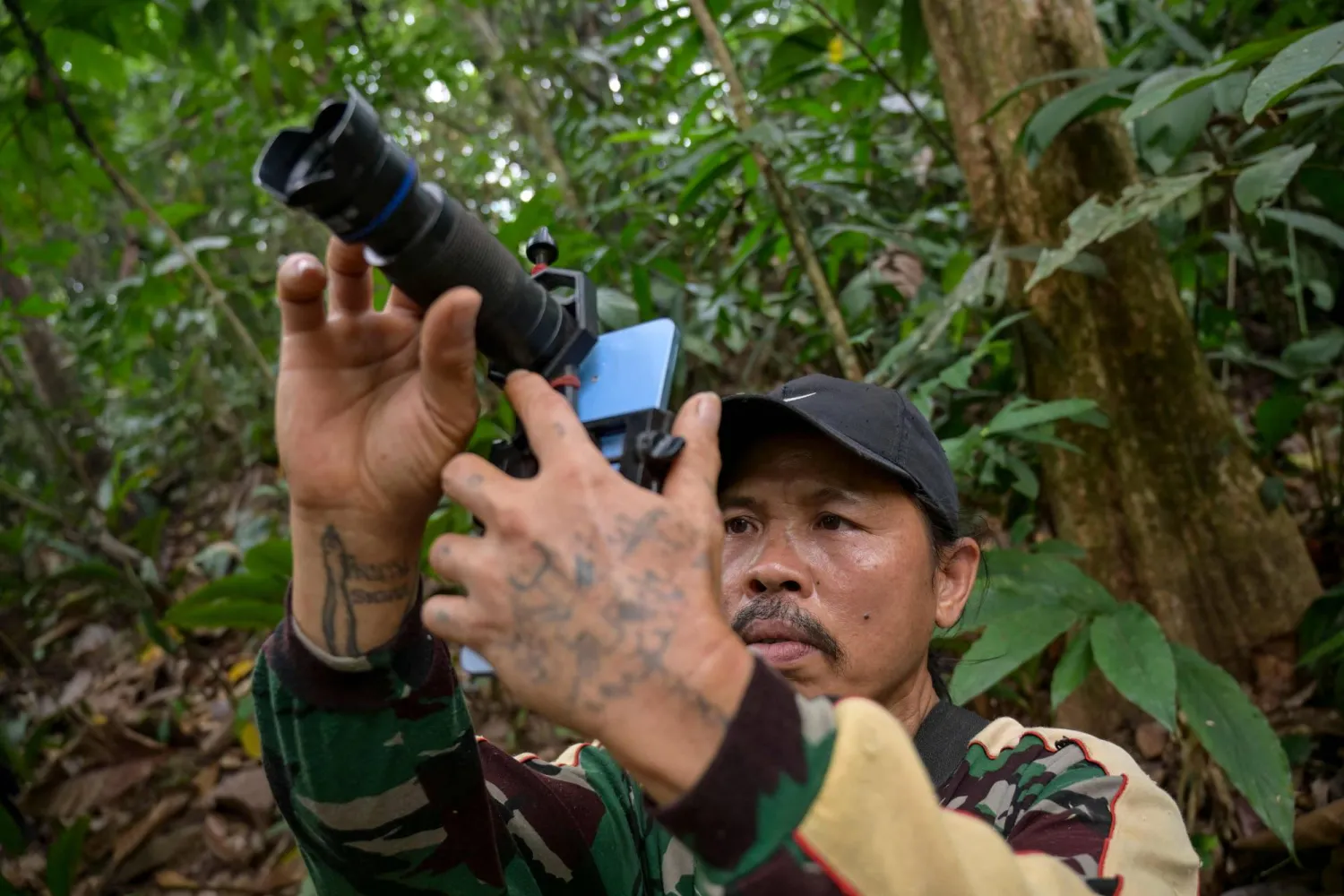
Indonesia is paying villagers to photograph wildlife instead of hunt it, creating a practical alternative to hunting whilst generating valuable data on threatened species. The cash-for-photos programme has already produced more than 350,000 wildlife observations, and two participating villages have voluntarily banned hunting.
Source: Aawsat
Farmers in Zimbabwe are using solar-powered lights, mobile cattle enclosures and beekeeping to keep lions away from livestock. The approach reduces attacks on cattle whilst giving communities practical ways to protect their livelihoods and coexist with wildlife.
Source: IPS News
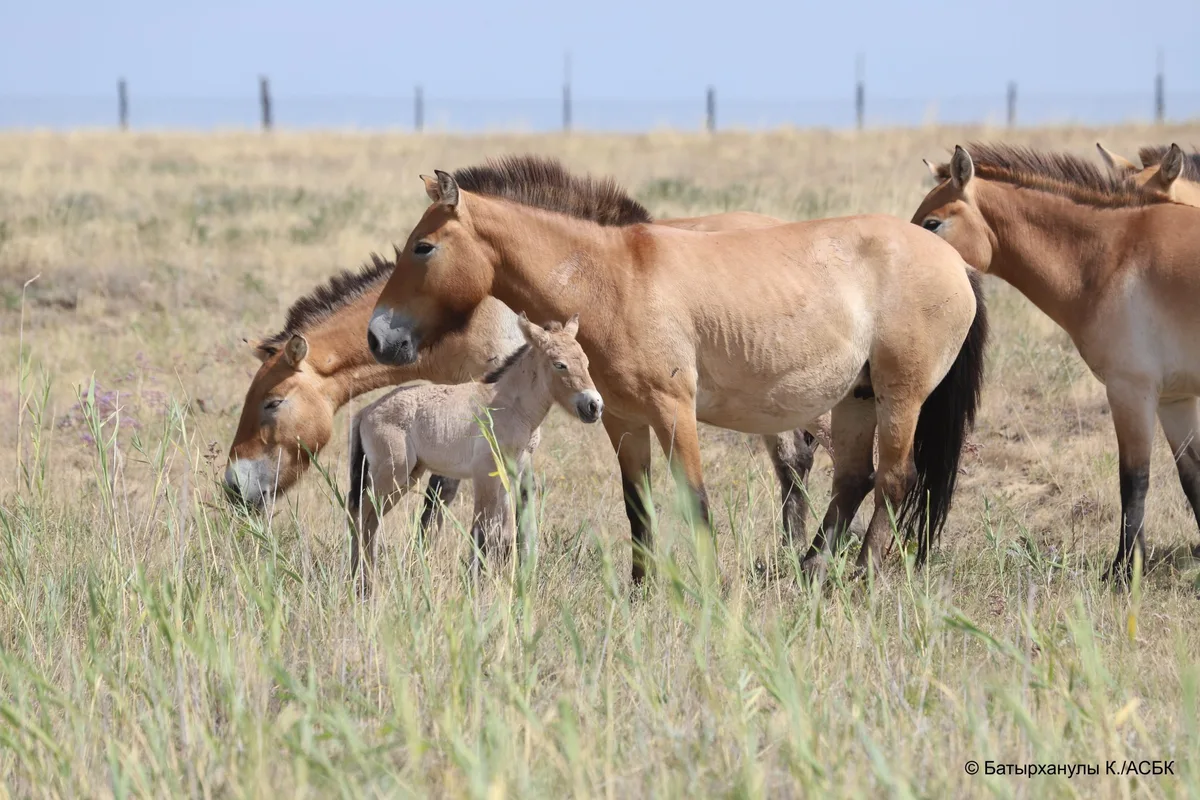
Two centuries after disappearing from Central Asia, wild-born Przewalski’s horses are returning to Kazakhstan. In 2024, a group of horses from Tierpark Berlin had been released into the wild in a large-scale international project. The birth of the first foal now marks another important step in the restoration of the rare species.
Source: BBC Wildlife
The reintroduction of dozens of bison in part of the Chihuahuan Desert is positively impacting the surrounding ecosystem in several major ways. By turning up the ground as they run, the bison unwittingly till the soil, creating openings that let in water and more favourable conditions for flora to grow.
Source: AS