Photo: Andrew Smith (CC BY-SA 2.0)
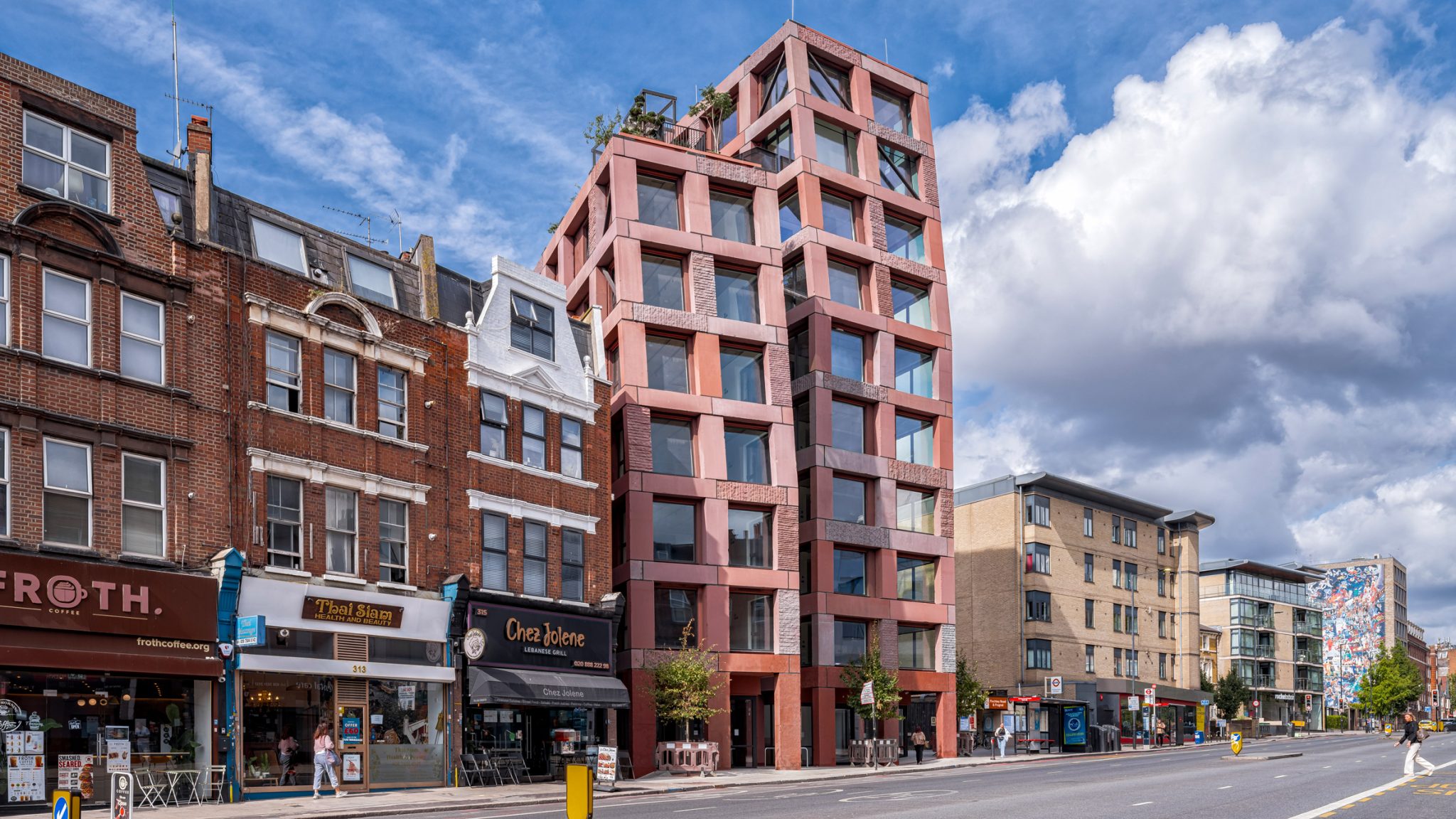
In today’s edition: a new restoration project offers an alternative approach to land acquisition, a London high-rise has been built with a sustainable volcanic exoskeleton, and the world’s first solar ambulance has completed its maiden voyage.
A new restoration project billed as “Britain’s Yellowstone” has a unique proposition: after delivering new biodiversity and abundance alongside financial returns for investors and repaying the crucial £4.5m Triodos Bank loan that enabled the purchase, it will hand over the site to local community or charitable ownership.
Source: The Guardian
The structure uses unreinforced volcanic stone as a more sustainable alternative to the carbon-heavy steel and concrete often used for such projects. Traditional materials used for construction account for approximately 16% of humanity’s carbon emissions.
Source: Dezeen
The Mercator map, which has been in common use since the 16th Century, has come in for criticism as it shows Africa as being of similar in size to Greenland, even though it is actually 14 times larger. Togolese Foreign Minister Robert Dussey stated: “A fair world begins with a fair map. It shapes perceptions, influences how the place of peoples and continents in the world is understood.”
Source: BBC News
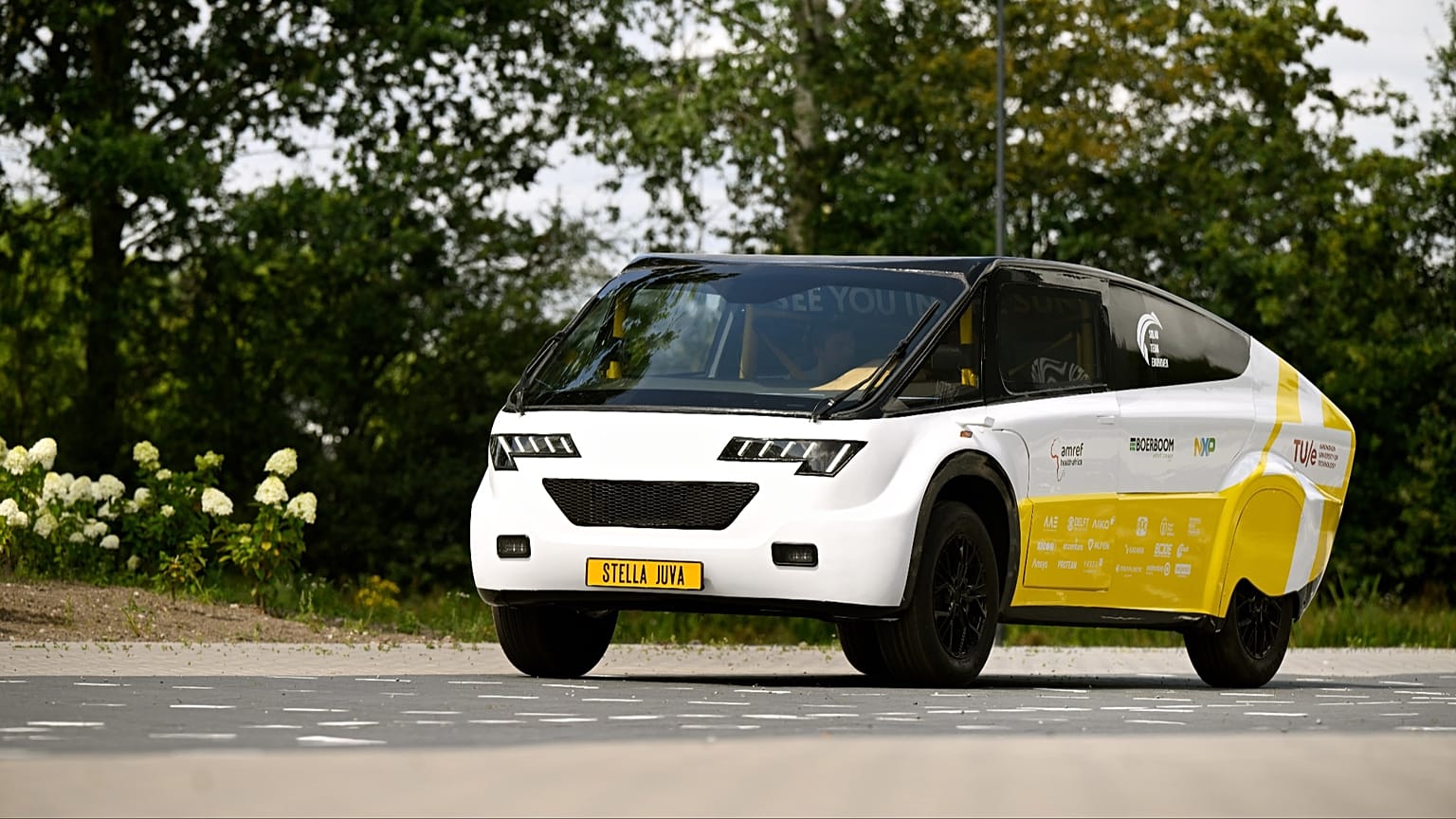
The now road-tested Stella Juva is able to transport medical equipment across rugged terrain even when the sun goes down – all while generating enough solar energy throughout the day to operate independently.
Source: Euronews
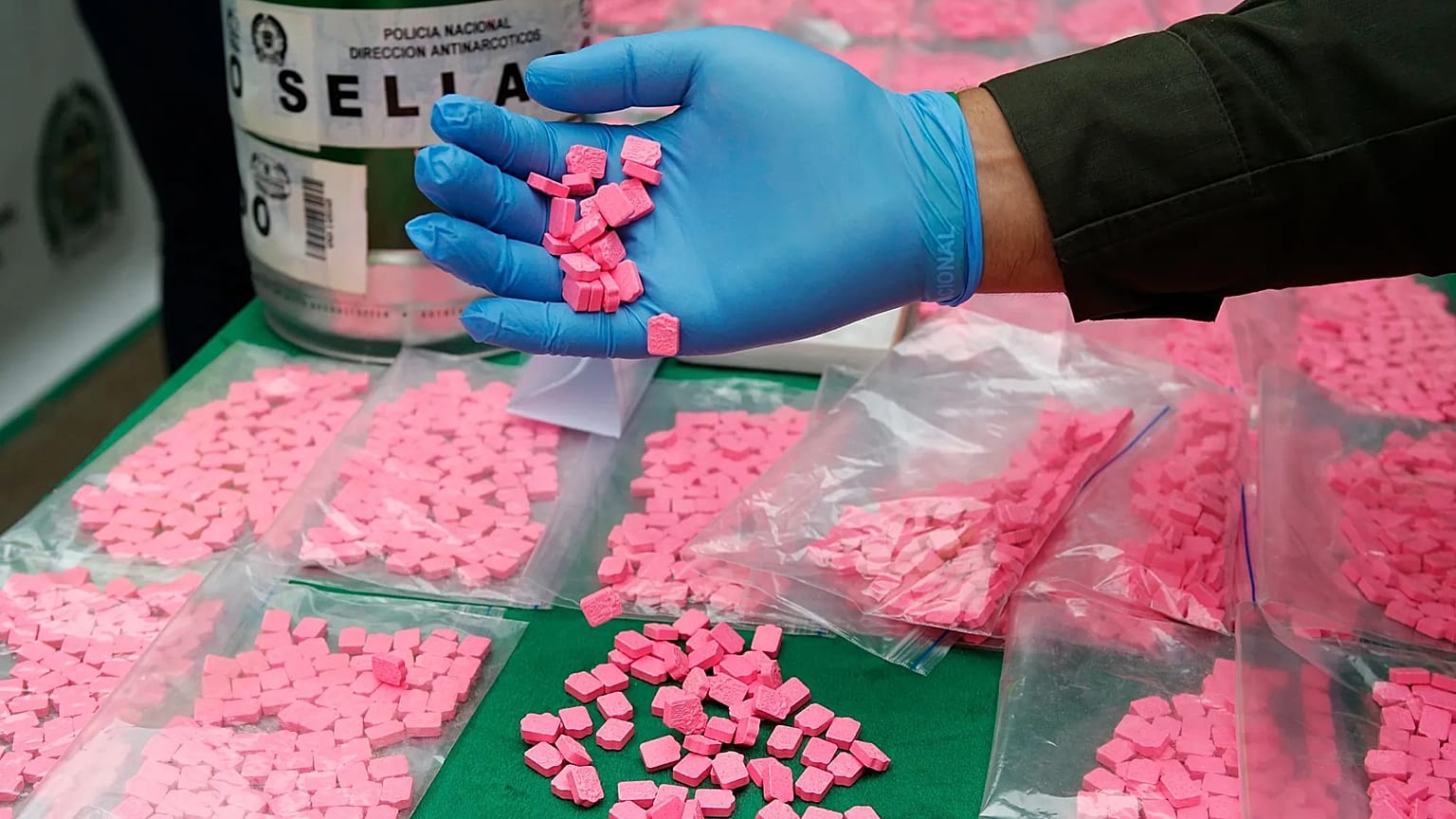
Based on trial results, two psychiatrists in New Zealand are now legally able to prescribe the drug in controlled clinical settings for post-traumatic stress disorder. Existing pharmaceutical options for the condition in most countries are limited to two antidepressants, which can take three months to take effect and produce uneven results.
Source: Euronews
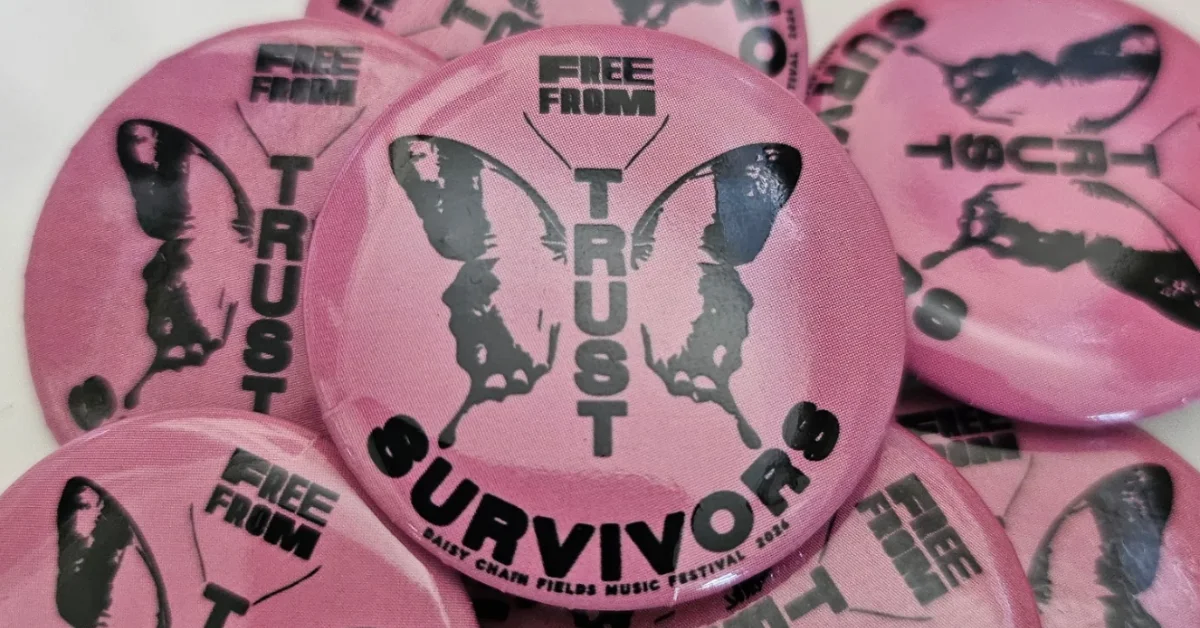
Financial instability is a prominent factor in many individuals remaining in abusive relationships. To tackle this, over the course of ten years, FreeForm has distributed over $10 million directly to survivors, with data showing a direct correlation between cash gifts and improved housing, employment, healthcare and overall safety.
Source: Good Good Good
A new study suggests that money transfers to months with low incomes during their children’s first four years of life actively changed the biological ageing markers associated with better health in adulthood. Previous research has shown correlational evidence in other studies suggesting that poverty may accelerate epigenetic aging in children.
Source: Medical Xpress
The substantial increase in average incomes across all regions has resulted in a significant drop in both child mortality rates and the share of people living in extreme poverty. The data is adjusted for inflation and also takes into account the different cost of living in each country.
Source: Our World In Data
The Batang Nilo Women’s Forest Farmer Group – known as Perbani – plant citrus trees around their farms in order to deter elephants and reduce incidents of human-animal conflict. However, they also make sure to grow fruits that the elephants can feed on in order to better support this species.
Source: Mongabay
The European Prize for Urban Public Space has shortlisted urban design projects that convert car-dominated infrastructure into green, walkable public spaces to help cities adapt to extreme heat and climate change.
Source: The Guardian