Photo: Getty Images/Unsplash+
In today’s edition: the number of cheap parcels has plunged by 30-40% after the launch of an EU customs duty, NYC public schools announce a full ban on AI use through middle school effective immediately, and Chile takes a unique approach to rehabilitating injured penguins.
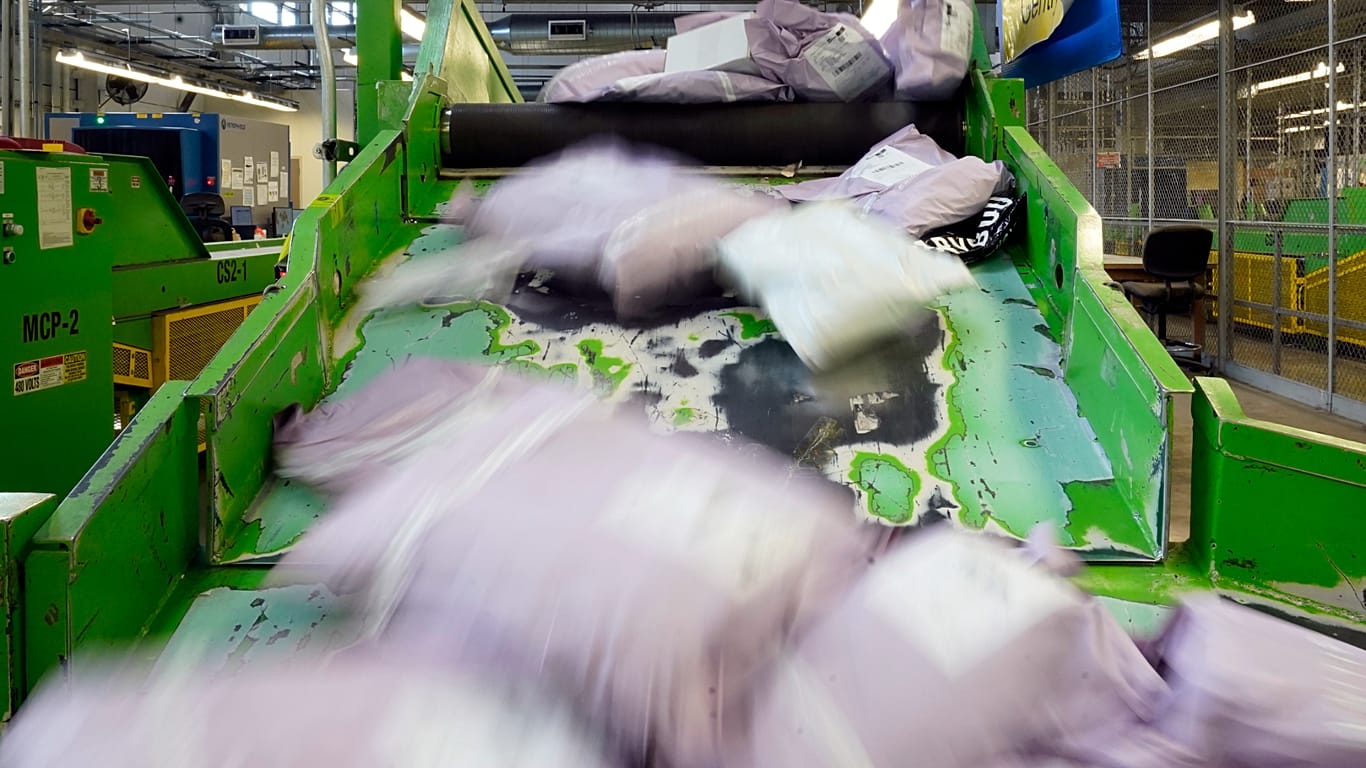
Early signs point to yes, along with the environmental footprint that comes with them. Since 1st July, a €3 duty has applied to parcels worth under €150, with Chinese imports already down 30% to 40%. The body hopes that the measure will reduce overconsumption and emissions without shifting costs to consumers and businesses.
Source: Euronews
France is taking aim at the business model behind ultra-fast fashion, where low prices and rapid turnover encourage consumers to buy more and discard sooner. A proposed levy of up to €20 on some small parcels would make platforms such as Shein and Temu more expensive, as policymakers look for ways to reduce fashion waste and its environmental impact.
Source: Euronews
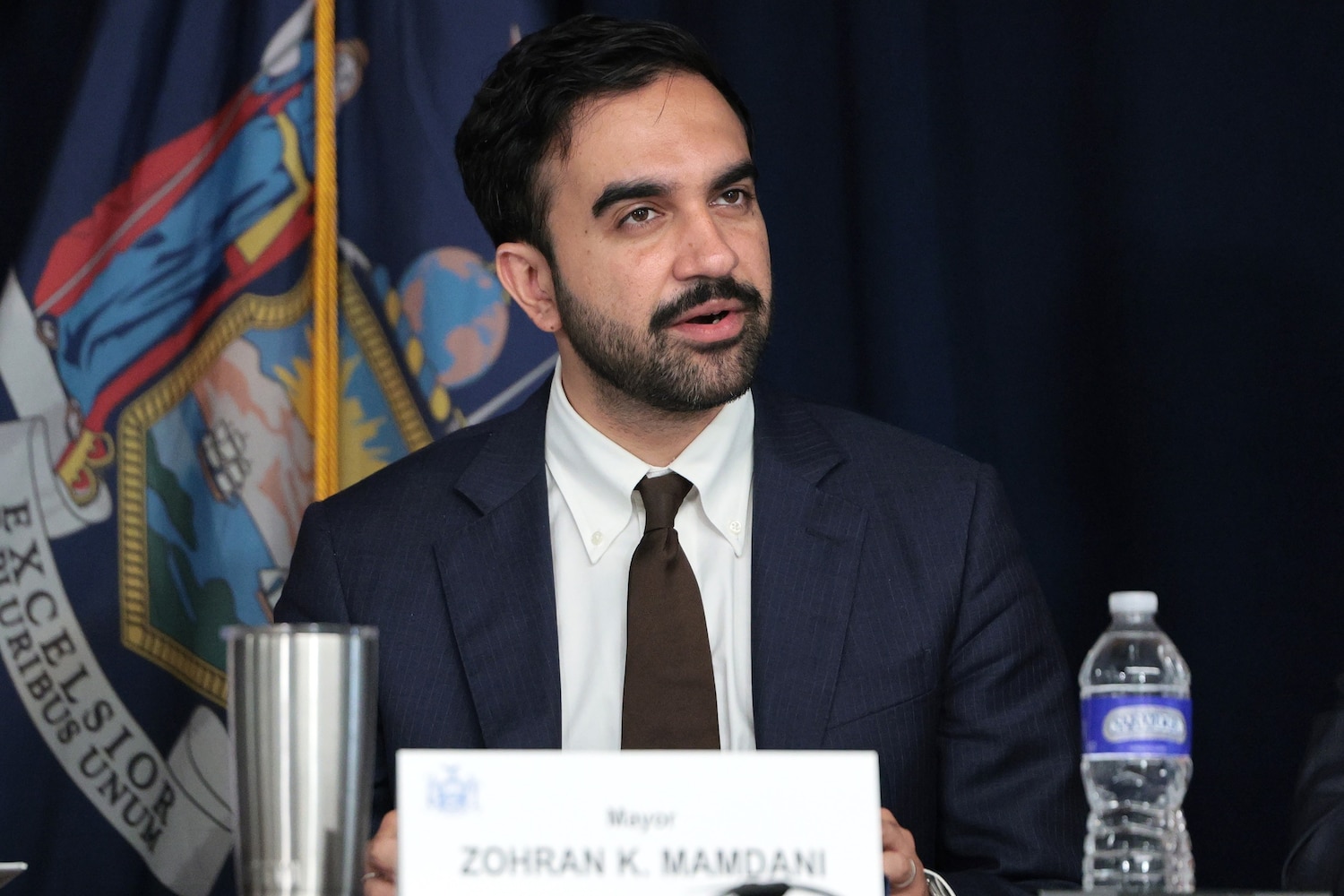
The largest school district in the US will implement the change in the next week, which will affect approximately half a million students in the regional education system. The sweeping ban also would prevent teachers from using artificial intelligence to grade assignments and will come into effect in the 2026-27 academic year.
Source: ABC News
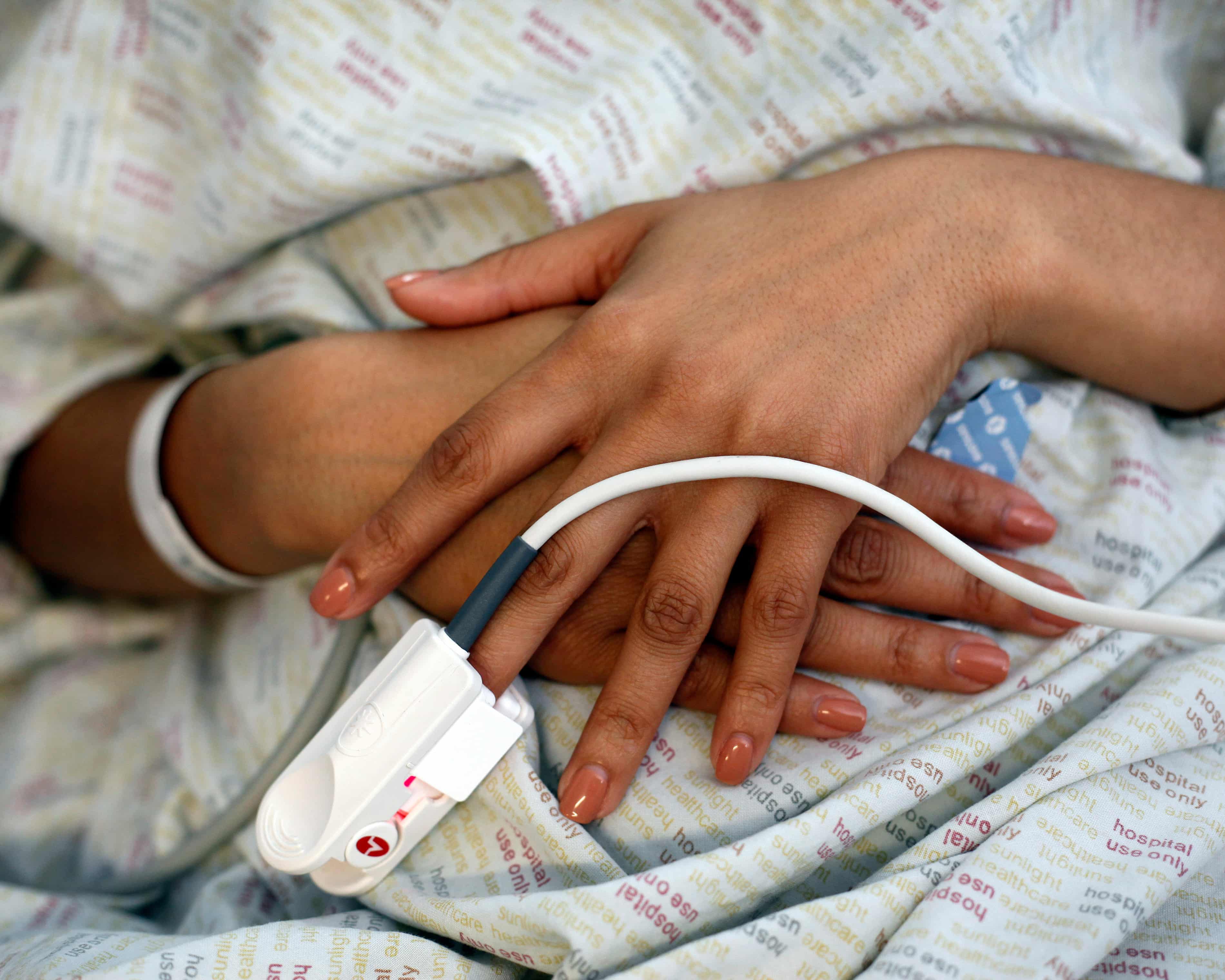
The world’s four leading cardiovascular health groups have signed off on new guidance for healthcare professionals when seeing suspected heart attack patients. Historically, some less common forms of heart attack, which typically affect women far more than men, have been coded as less important, with treatment and care often worse as a result.
Source: The Guardian
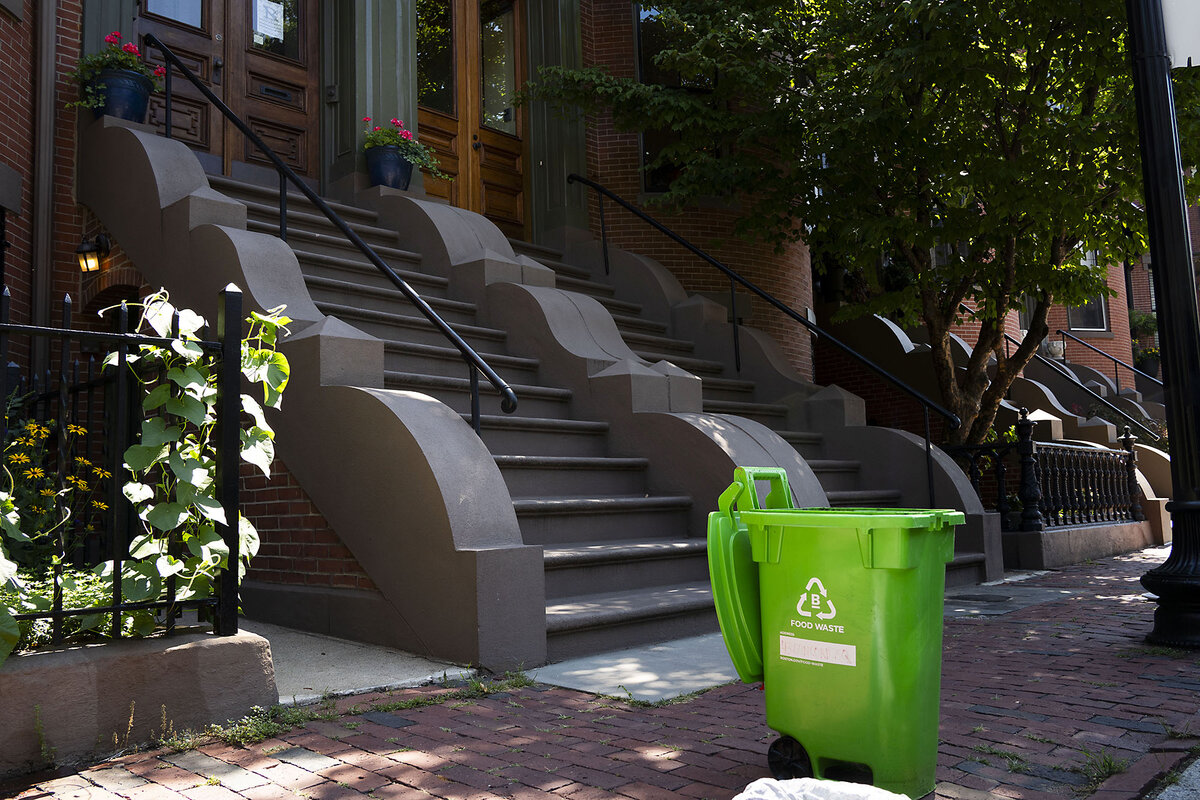
With the impact of traditional waste disposal in mind, Bostonians now have a wide variety of composting options available to them: build their own compost pile, pay for private pickup, enroll in free city collection, or compost at city-sponsored bins.
Source: CS Monitor
Without chemicals and using renewable energy, researchers from the University of Cape Town are cleaning 36,000 litres of water, polluted by sewage, chemicals, and traces of drugs and medication, every day to make it usable for growing food in a fast-expanding informal settlement along the course of the river.
Source: The Guardian
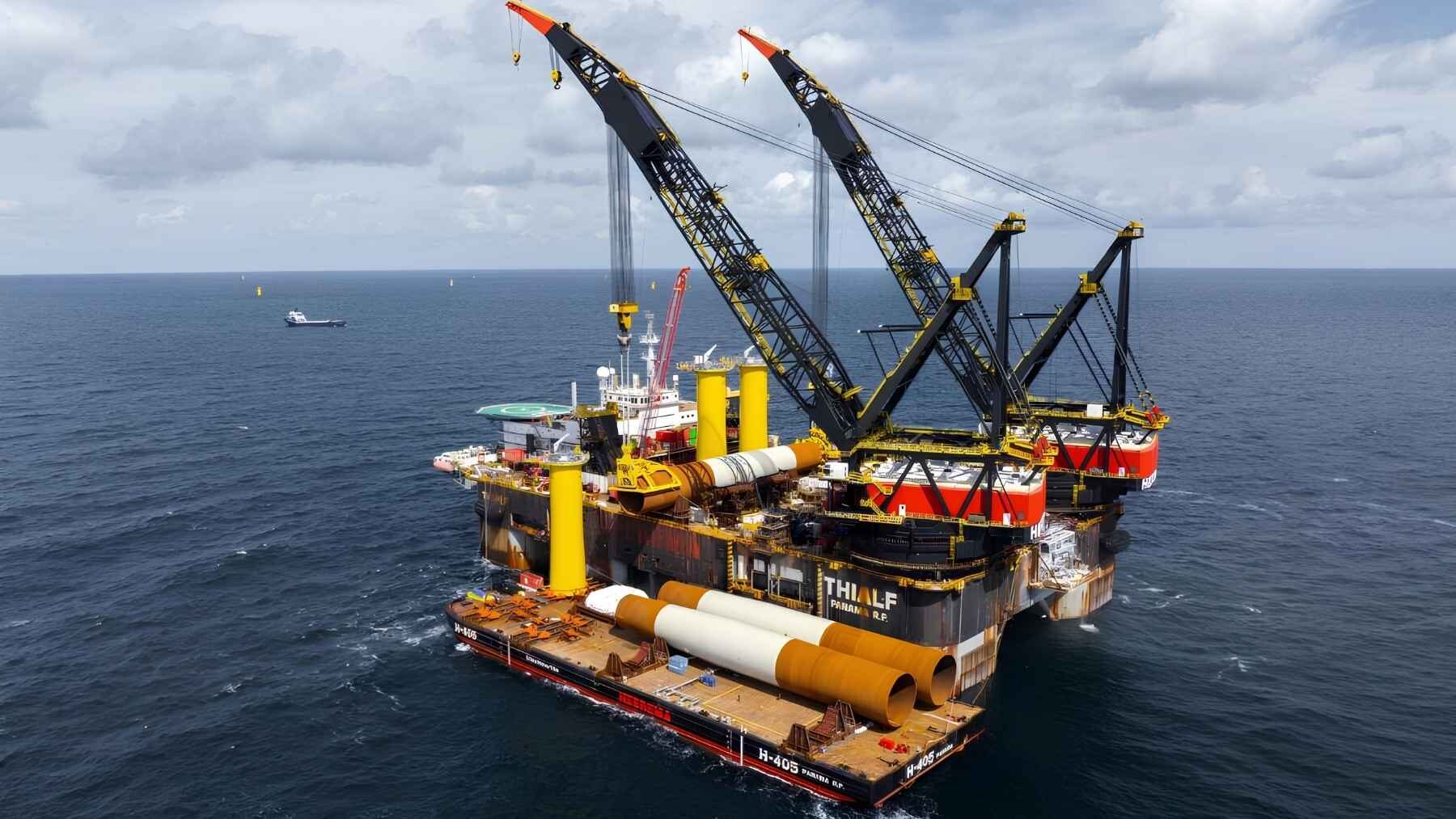
Around turbines in Taiwan, researchers logged over 97 fish species and more than 11,500 individual fish, while New York’s Empire Wind is now creating similar new habitat across its 54 offshore locations.
Source: Ecoticias
Chilean researchers are testing a simple, wearable solution to help penguins recover from injuries caused by fishing nets and other human activity. Made with copper and zinc, the therapeutic suits are designed to support healing after surgery and protect wounds as the birds recover.
Source: Reuters
In one of Nigeria’s last remaining rainforests, some former poachers have shifted to conservation work, finding a more sustainable livelihood while helping restore the forest and the wildlife it supports. Their experience in the forest gives them a unique role in tackling the pressures that threaten it.
Source: Reasons To Be Cheerful