Photo: Dimitry B / Unsplash (CC0)
Today in Squirrel News: Colombia places 42% of its Amazon region under permanent protection from mining and oil projects; a finish company presents a building material that consists of 90% carbon; and London’s fruit and vegetable market gets the city’s largest rooftop solar installation.
Just a few days before the end of his term in office, President Gustavo Petro has permanently barred new mining and oil projects from almost half of the Colombian Amazon, creating the Amazon’s largest reserve so far. Existing projects may continue, but no new licences will be granted.
Source: Lyxplanet
Finnish company Elementic has developed a building material said to consist of 90 per cent carbon. To achieve this, it uses lignin: a by-product of the timber industry that is usually burned. The end product is a lightweight yet strong and durable material.
Source: Dezeen
At London’s New Spitalfields Market, 2,730 solar panels will soon be generating electricity across five roofs. The installation is set to significantly reduce the energy costs and emissions of the 13-hectare market and demonstrate how renewable energy can be integrated into the commercial infrastructure of cities.
Source: Euronews
Since October 2025, women in England have been able to obtain the morning-after pill in pharmacies directly and free of charge. Within six months, almost 305,000 doses were given out, more than all NHS prescriptions the previous year combined. Women in underserved regions in particular benefit from the simpler access:
Source: BBC
Cleveland Clinic followed 15 people with medication-resistant lipid disorder, resulting in dangerously high cholesterol, for one year in an early trial of a new gene-editing treatment. Patients receiving a single injection of the highest dose cut in half their LDL cholesterol levels, a major risk factor for heart disease, with no adverse effects.
Source: Medical Xpress
Australia intends to introduce legislation giving users the option to disable personalised algorithms on platforms such as Meta, Google and TikTok. Communications Minister Anika Wells announced that a draft bill would be tabled this week and warned tech companies of severe penalties should they fail to comply.
Source: BBC News
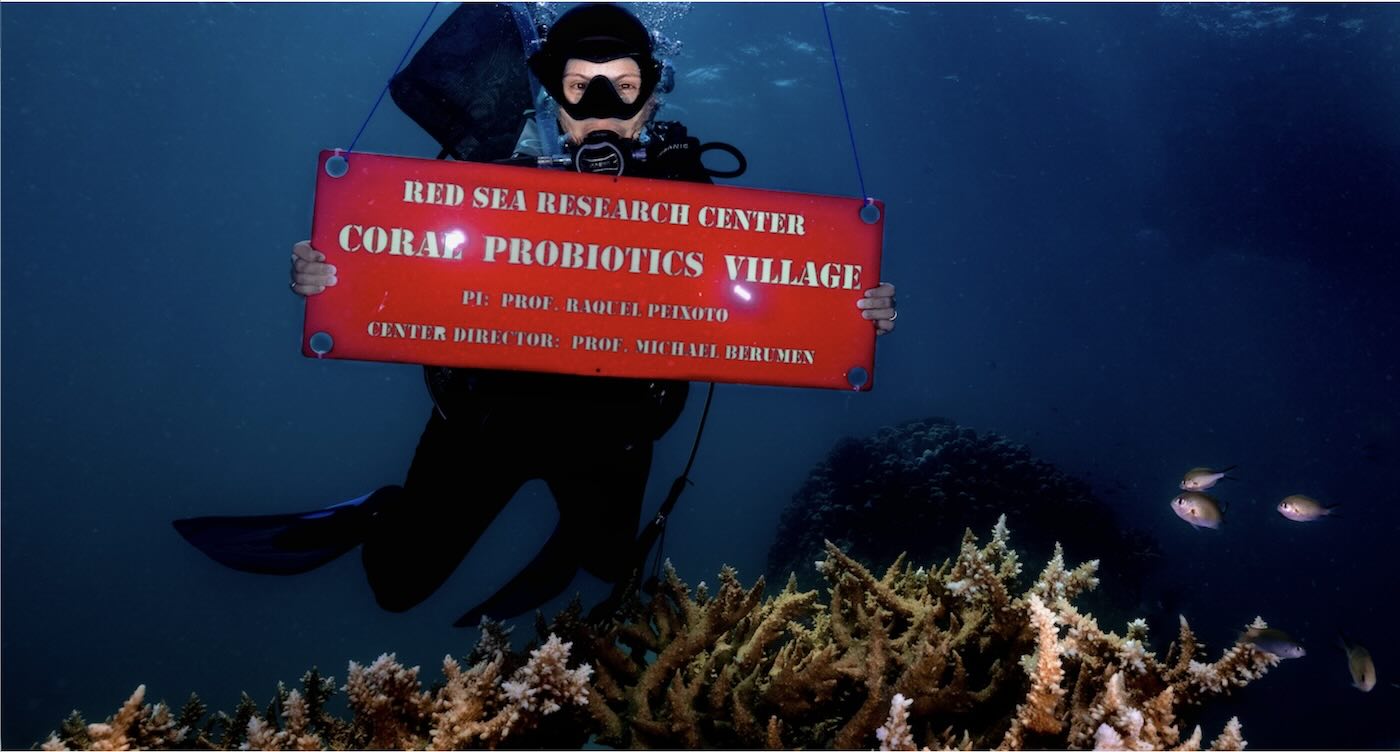
In a first open-sea experiment, researchers from Saudi-Arabia successfully treated heat-stressed Red Sea coral using probiotics and post-biotics during an active marine heatwave. The therapy restored the health of corals and boosted their heat tolerance, opening up a scalable path for marine conservation.
Source: Good News Network
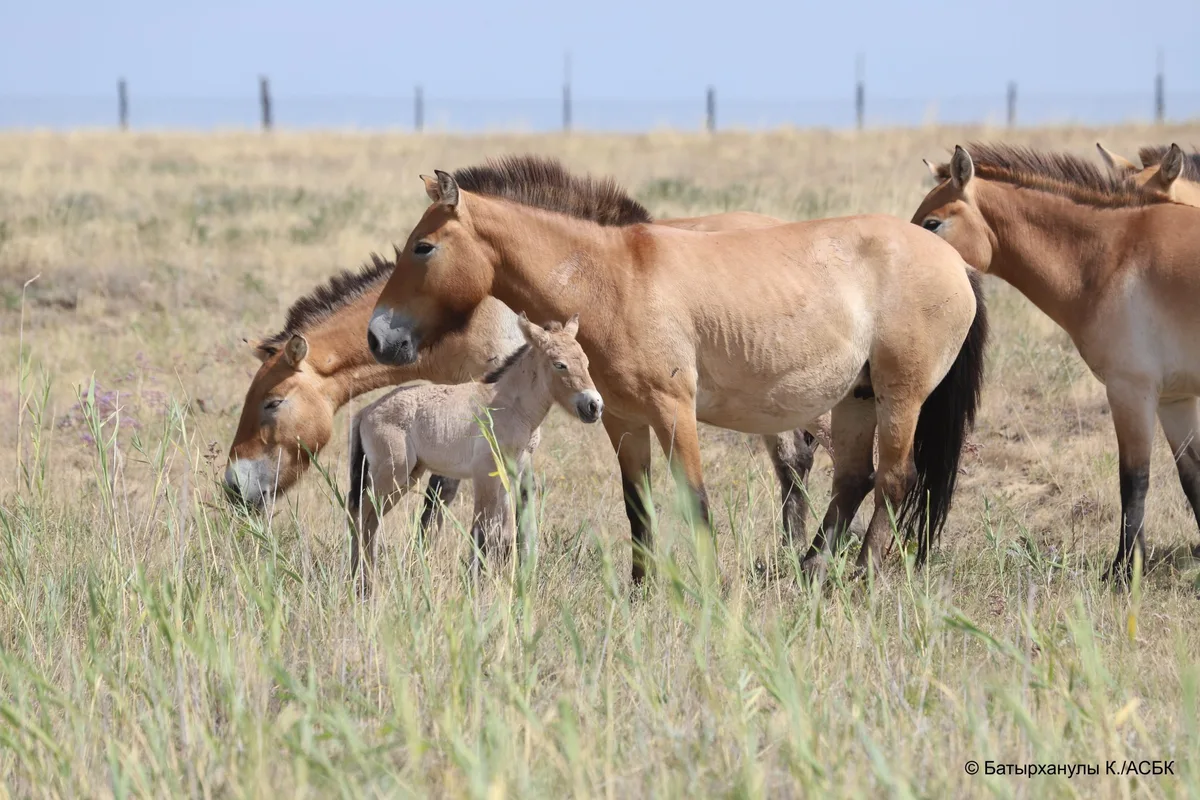
Two centuries after disappearing from Central Asia, wild-born Przewalski’s horses are returning to Kazakhstan. In 2024, a group of horses from Tierpark Berlin had been released into the wild in a large-scale international project. The birth of the first foal now marks another important step in the restoration of the rare species.
Source: BBC Wildlife
Social bite, a cafe feeding homeless people, went on to start communities for the homeless in Edinburgh and Glasgow, featuring tiny timber homes and mutual support. In a very different approach, Bureaux du Cœur in Nantes, France, provides temporary shelter for one person at a time in office spaces where a room and essentials can be accessed in non-business hours.
Source: BBC
Two women, owners of tea companies in Calgary, Canada, and Asheville, North Carolina, pledged to support each other in case of crisis. When a flood later swept the US company away and destroyed all, the alliance allowed the company to keep going while rebuilding and opened the door to further cross-border collaboration.
Source: The Guardian