Photo: The Ellinikon/HELLINIKON S.M.S.A.
In today’s edition: a disused Greek airport is set to turn into one of the largest urban green spaces in Europe, the UN recognises Saudi Arabia’s National Greening Programme as a World Restoration Flagship, and South Korea sees its forests rebound with 29 times more wood per hectare since the Korean War.
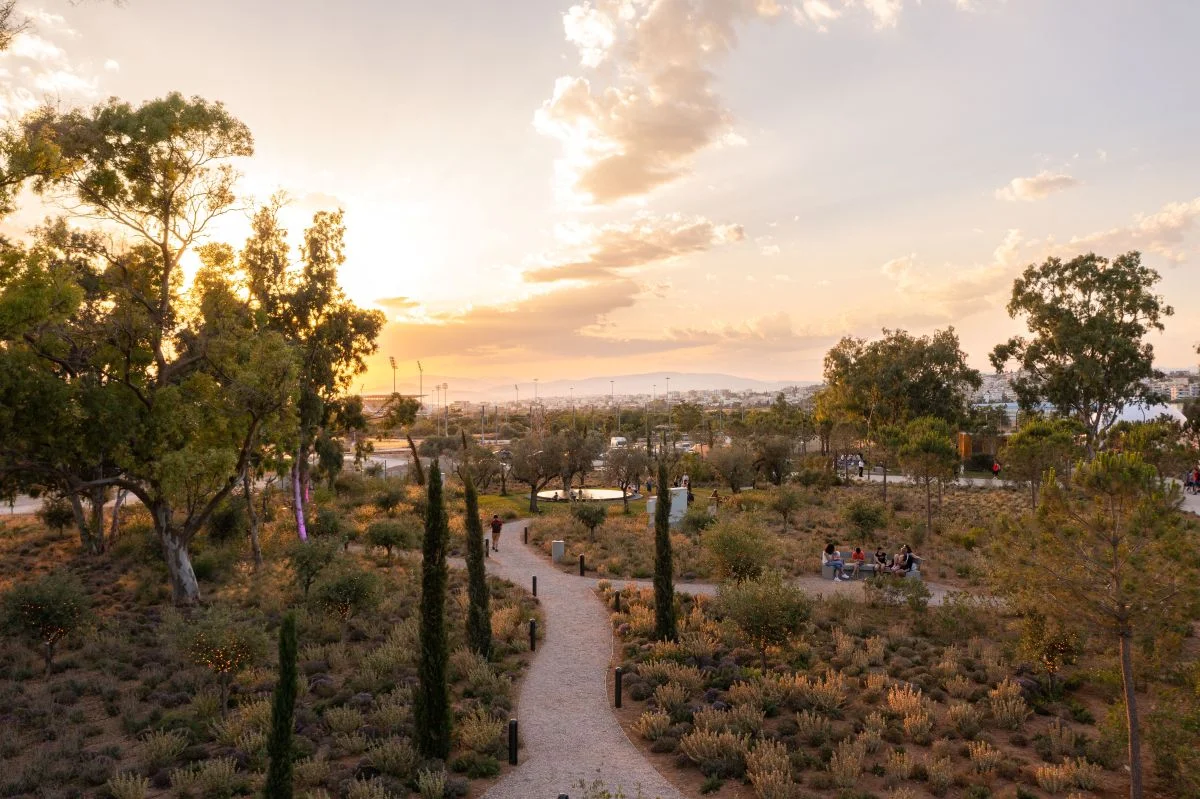
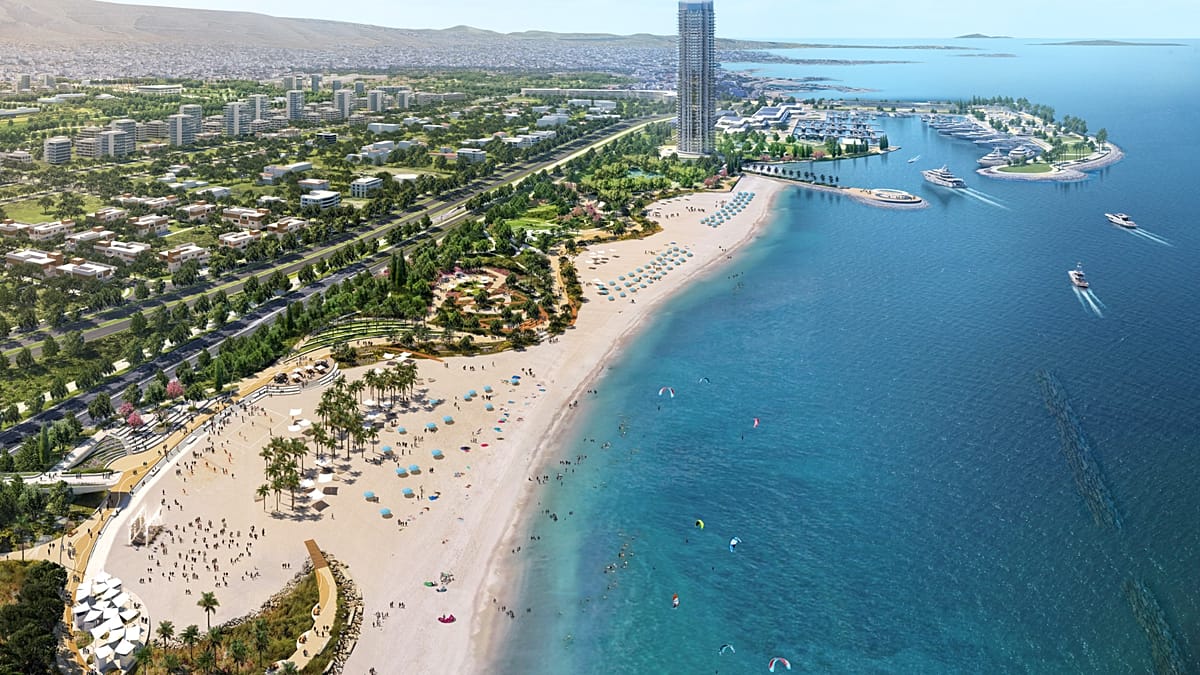
The Ellinikon will transform the 620-hectare site into a new coastal district centred around one of Europe’s largest urban parks, with more than 30,000 trees and around three million shrubs covering 70% of the area in greenery.
Source: Euronews
Saudi Arabia’s National Greening Programme has been recognised by the UN as a World Restoration Flagship, following efforts to restore degraded land and revive native ecosystems. The initiative has planted more than 159 million trees, restored nearly one million hectares of habitat, and helped reintroduce species including the gazelle, ibex and Arabian oryx. It has also established a national framework to tackle drought, desertification and climate change.
Source: Decade On Restoration
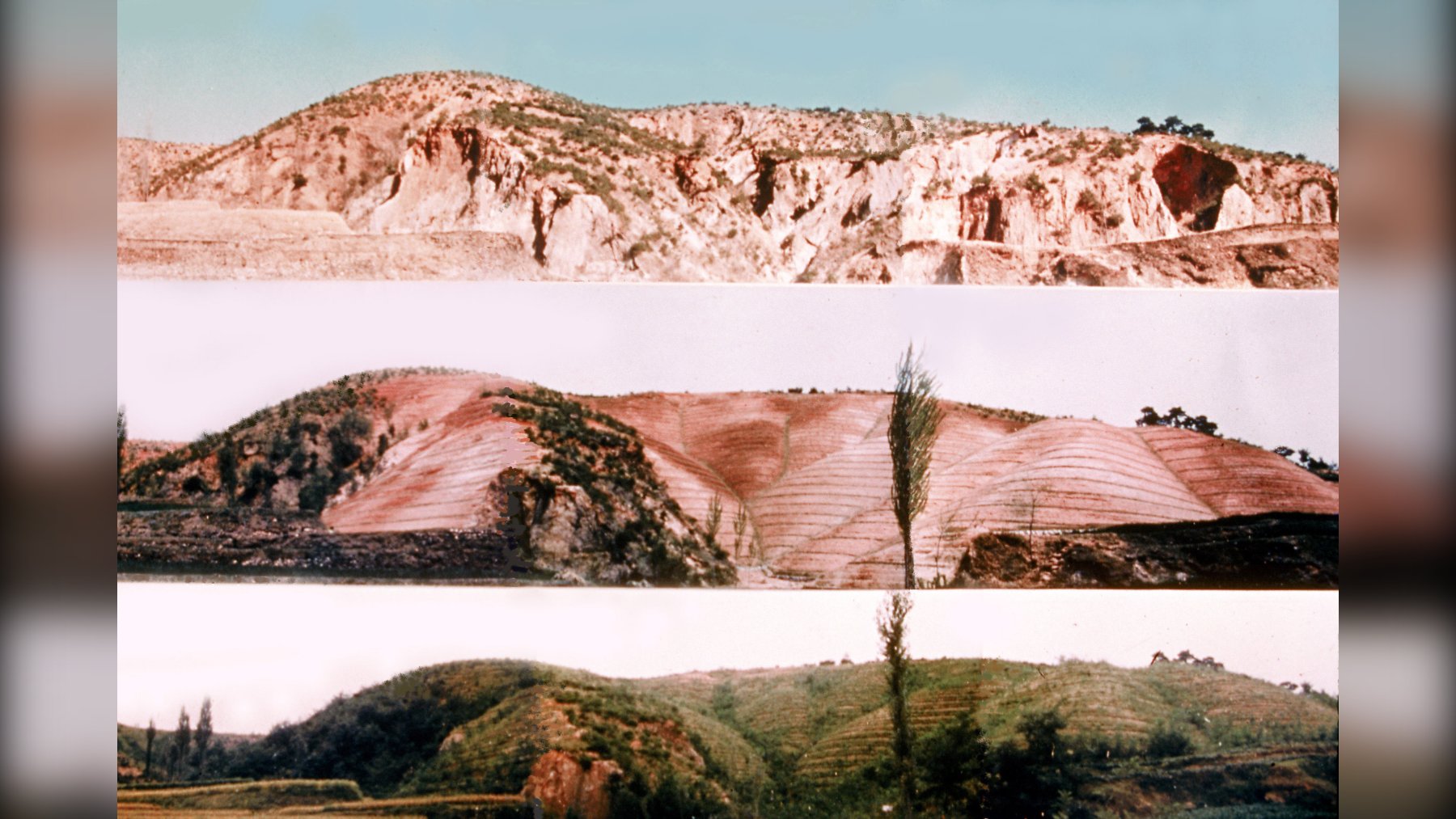
Between the 1960s and 1980s, the South Korean government focused on rebuilding forests devastated by war, exploitation and demand for firewood. By 2020, its forests held roughly 29 times more standing wood per hectare than in 1953.
Source: Ecoticias
Panama is stepping up efforts to protect sharks and rays, with measures targeting both accidental catches and trade in protected species. Biologists are joining fishing crews to train them in safely releasing animals caught in nets, whilst a bill before the legislature proposes new measures to restore and conserve populations.
Source: Mongabay
For the first time in more than 30 years, Newfoundland and Labrador’s Northern cod stock has been declared “healthy” by Ottawa. In June, Fisheries and Oceans Canada upgraded its status from “critical” and raised the commercial quota by 55% to 59,000 tonnes a year. The news has brought hope to fishing communities, but also caution after the devastating legacy of a 32-year moratorium.
Source: Canadian Affairs
As vertical farming grapples with failed investments and broken business models, one small farm in Alaska is finding a different path forward: solving a very local problem. Growing fresh produce closer to the people who need it means the farm is showing both the potential and limits of vertical farming in places where traditional agriculture is difficult.
Source: Civil Eats
Argentina’s Tren Solar de la Quebrada is bringing solar-powered rail to the Andes, running 42km through the Quebrada de Humahuaca on batteries charged with locally generated solar energy. The train connects six towns in the valley, offering a lower-emission alternative to diesel while bringing more visitors to communities along the route. Launched in 2024, it can also travel nearly twice its current route on solar power alone.
Source: Euronews
As graduates of an online training course gather from across the continent, the consensus is overwhelming: computers and saving animals go together. The course features guest lectures and practicals from nine experts on topics including connectivity, communication, power systems, monitoring sensors, hardware integration and GIS visualisation tools.
Source: The Guardian
As attacks on Muslim places of worship rise, this weekend more than 100 mosques offered conversation, food and friendship to challenge prejudice. As part of Visit My Mosque, they offered tea, cultural food, talks, multi-faith activities and art exhibitions as well as workshop discussions with members. The event, hosted by the Muslim Council of Britain, is now in its 11th year.
Source: The Guardian
A Brisbane music programme is helping women and children transitioning out of homelessness reconnect with their identities and rebuild confidence. Over 12 months, 32 women and 20 children took part in collaborative songwriting, singing and music-making, using creativity to strengthen social connections and find a sense of belonging.
Source: ABC