Photo: Dan Novac/Unsplash (CC0)
In today’s edition: Hungary’s new government fulfils one of their key election promises by announcing a wealth tax on its wealthiest residents, underwater solar panels are able to function ten metres below sea level, and Philadelphia’s first-ever mobile methadone van brings treatment directly to those who need it.
Starting next year, those with assets exceeding 67 million forints will be subject to a wealth tax – one of the key election promises of Péter Magyar’s Tisza party. The one-percent tax will apply to all assets, both in Hungary and abroad. Taxable property will include real estate, motor vehicles, yachts, private jets, artworks, cash and bank deposits, precious metals, securities and other investments.
Source: Around Prague
One of the biggest obstacles to generating solar power underwater is that sunlight fades below the surface. By a depth of 10 metres, most of the sun’s energy has already been absorbed or scattered by the water – but some types of light can reach deeper than others. A team of researchers has determined that enough blue and green light reaches these depths to generate electricity, developing solar cells designed to make the most of it.
Source: Euronews
More than 500 individuals across Philadelphia have received vital opioid addiction treatment, thanks to the city’s first-ever mobile methadone van. Those experiencing substance abuse issues may struggle to reach traditional clinics and, as such, the mobile option brings the help they need directly to them without the hurdles of standard care.
Source: WHYY
In partnership with the Metropolitan Opera, the city will release 10,000 tickets in a lottery every month starting in September for the 2026-27 season. In support of the scheme, mayor Zohran Mamdani said that the art form is “meant to be seen by everyone”, not only “reserved to those who can afford it.”
Source: ABC7NY
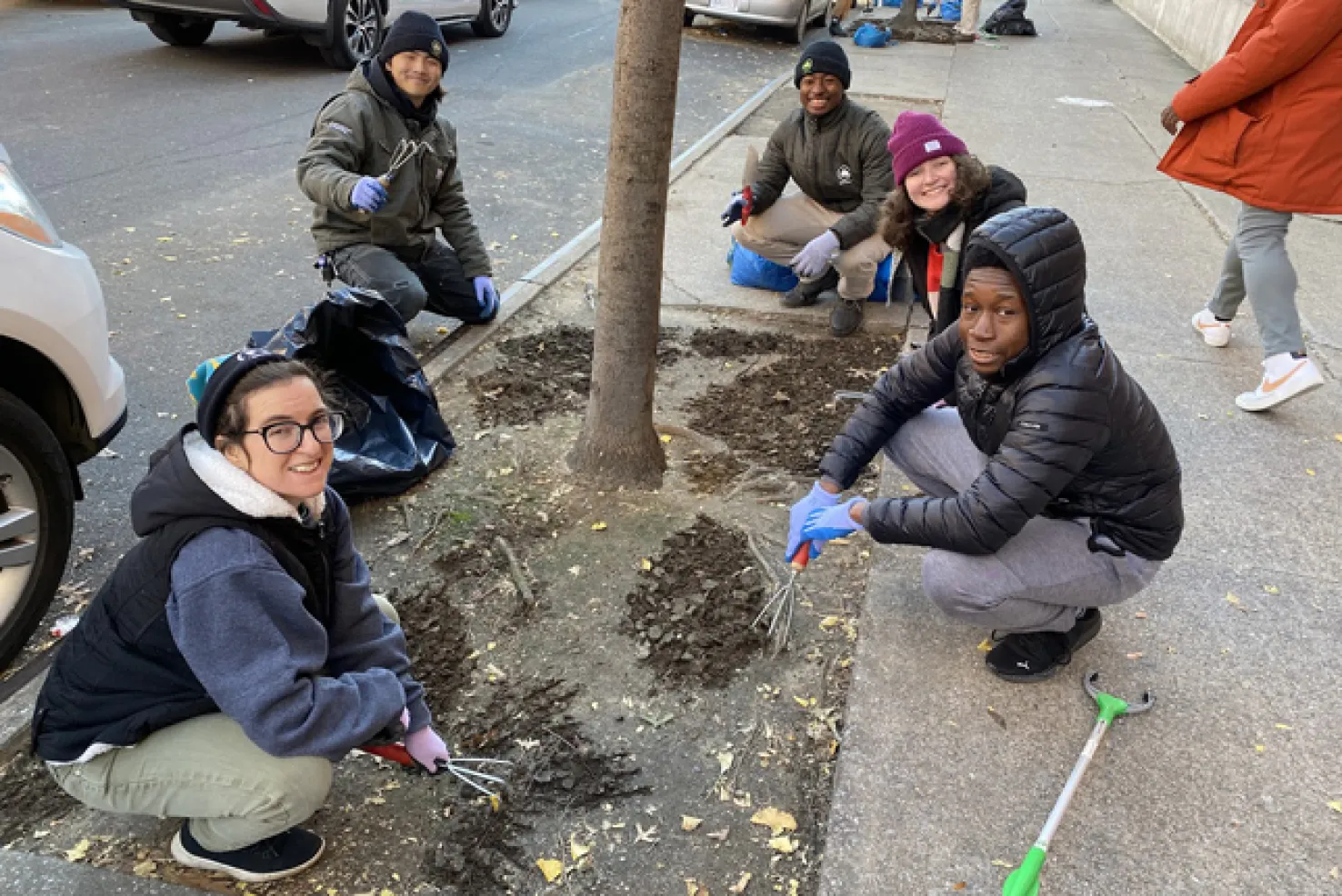
Hoping to improve air quality and reduce flooding, New York City has planted 18,261 trees so far in 2026, the most new trees in the city since 2016. Most of the trees were planted in neighbourhoods vulnerable to extreme heat as the city works toward a goal of reaching 30% tree canopy coverage by 2040 under its Urban Forest Plan.
Source: Planetizen
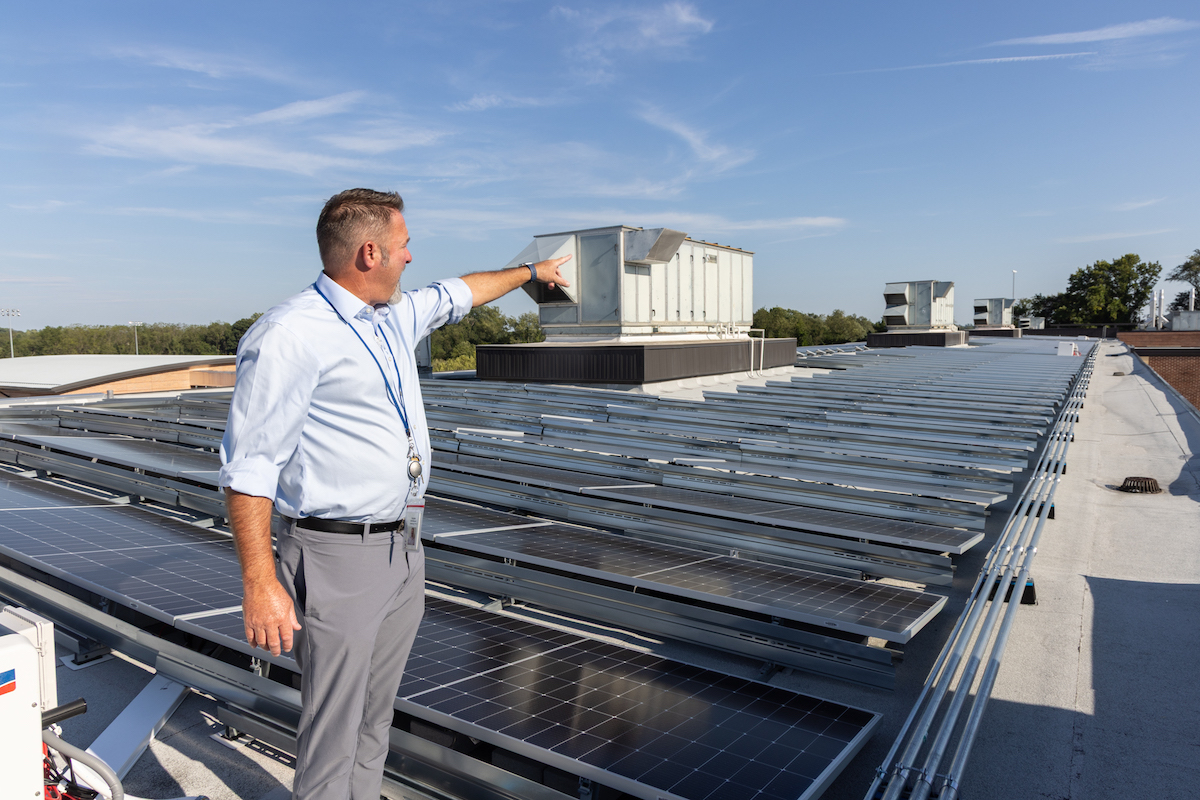
Alongside helping schools save money on utilities and introducing renewable energy into educational facilities, the growing number of state-funded solar panels teaches students about the importance of sustainable power sources and the impact of climate change.
Source: WHYY
With only a quarter of Nepal’s population having access to clean drinking water, more Kathmandu residents are turning to traditional stone spouts. These fountains rely on underground aquifers that channel water naturally through gravitational force, supported by networks of ponds and canals that store and regulate supply during dry seasons while preventing flooding during monsoons.
Source: Next City
In the UK, 18 million people are hard of hearing, yet there is no dedicated centre for the Deaf community. Now urban planner and activist Amanprit Arnold has made it her mission to change that. She has started the DeafCity Hub campaign to provide a co-working and cultural space for her community.
Source: The Guardian
The dedicated one-mile gravel path has been designed to immerse residents in nature and promote mental wellbeing and physical health via restorative outdoor practice. Forest bathing is an evidence-based wellness ritual based on the Japanese term Shinrin-yoku that offers a multitude of psychological and physiological benefits.
Source: WPR
Every year since 1964, towns across the UK have bloomed with hanging baskets and brightly coloured flowerbeds planted by residents. Now, the charity is launching a new award for railway stations to honour the volunteers who keep platforms planted with cheerful flowers and pretty shrubs that protect against flooding, provide shade and make the areas more appealing.
Source: The Guardian