Photo: Jakob Owens/Unsplash (CC0)
In today’s edition: Mexico has cut its daily homicide rate by 51% under the presidency of Claudia Sheinbaum, India has reached gender parity in higher education for the first time, and a Berlin supermarket is turning unused urban space into productive land.
Mexico is seeing a sustained decline in homicides, with July marking the lowest monthly average in more than a decade. Daily killings fell to 42.5, continuing a broader downward trend in violent crime, and the January-July average also dropped to its lowest level for that period since 2015.
Source: Mexico News Daily
The Health House by House programme is bringing basic care directly to communities, with 22.8 million home visits carried out between July 2025 and June 2026. More than 21,000 workers are checking vital signs, updating vaccinations and connecting people to specialist care, while the programme builds the health data infrastructure needed for a planned universal health service in 2027.
Source: Mexico Business
Women’s participation in India’s higher education system has grown faster than overall enrollment, helping the country reach gender parity for the first time. Additionally, over the past decade, expanding universities and colleges alongside stronger access for underserved groups has resulted in 31.5% increase in enrollment.
Source: DD India
JR Nagar in the south of India made rainwater harvesting pits mandatory for every building in 2010. Residents say the approach has kept groundwater levels stable and eliminated the need for water tankers, whilst advocates say the community offers a practical model for reducing water shortages and improving local water security.
Source: The Hindu
Hull 096, the world’s largest battery-electric ferry, has been delivered to its new home. Its 100% electric propulsion replaces diesel on the vessel, and points to a future in which battery power can be used at a much larger scale in passenger shipping.
Source: ABC News
New school food standards in England prohibit deep-fried items and set tighter rules for the food served to pupils. The changes aim to make healthier meals the default and improve children’s diets at school.
Source: BBC News
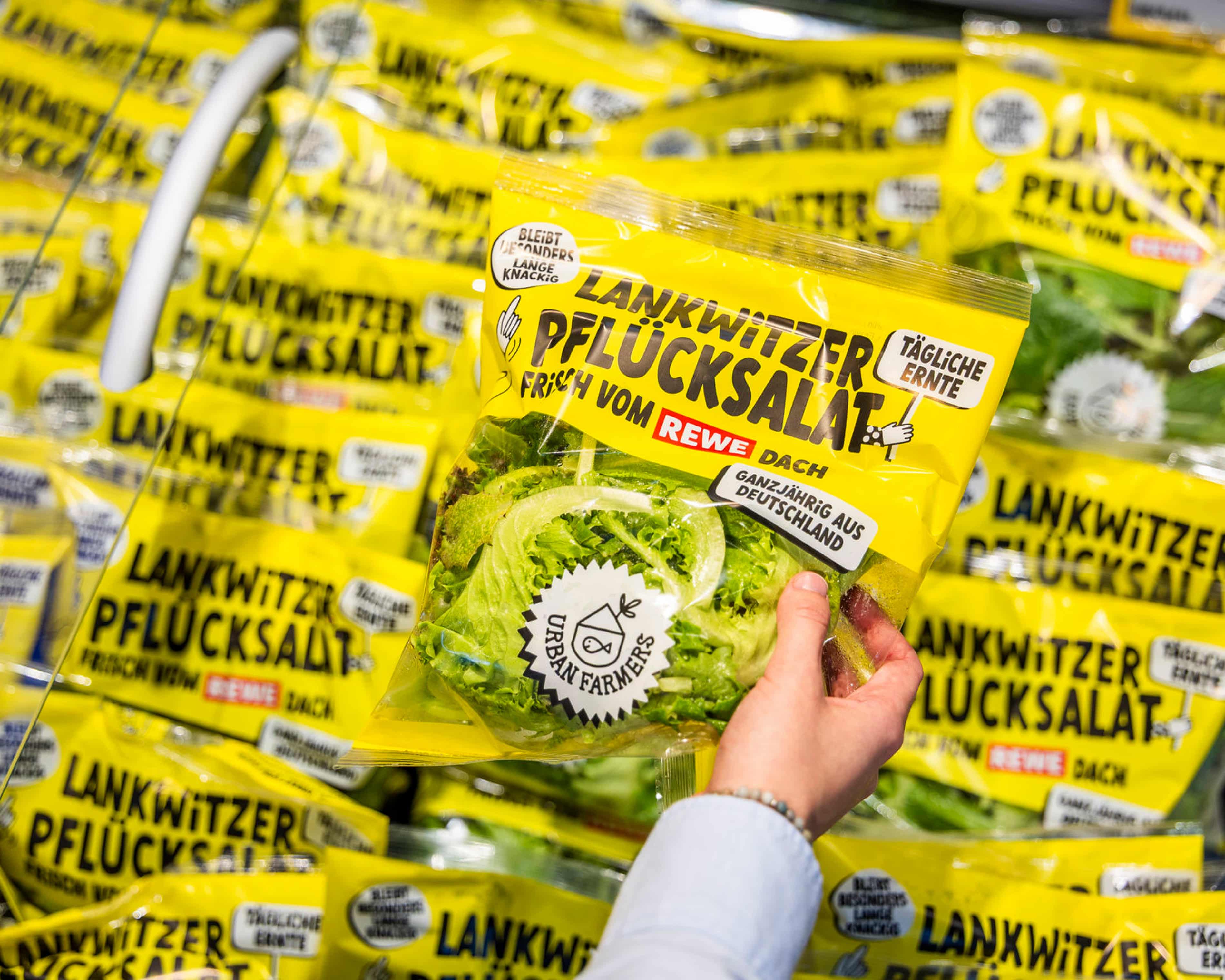
At 2,760 square metres, the Lankwitz REWE is now Germany’s largest rooftop farm. The farm makes use of hydroponic technologies: the lettuce varieties are grown with very little soil. The whole growing process takes a little over three weeks. Once cut, the greens go straight downstairs to be packaged and sold, both on site and in other stores in the city and region.
Source: The Guardian
Two UK solutions are using pictures to help people with disabilities communicate and understand information: Books Beyond Words uses wordless picture books to help people with learning disabilities share and discuss stories. TapSOS lets people who cannot easily speak on the phone contact emergency services through a smartphone app.
Source: BBC News
Farmers in Zimbabwe are using solar-powered lights, mobile cattle enclosures and beekeeping to keep lions away from livestock. The approach reduces attacks on cattle whilst giving communities practical ways to protect their livelihoods and coexist with wildlife.
Source: IPS News
Two years after four dams were removed, about 20,000 fall-run Chinook salmon have returned to the Klamath River in California and Oregon. The comeback points to the real-world impact of restoring river habitat, though drought, water use and remaining barriers still threaten long-term recovery.
Source: Inside Climate News