Photo: Sian Labay/Unsplash (CC0)
In today’s edition: The Philippines brings its poverty rate below 10%, India reaches eight million HPV vaccinations, and adapted sailing is opening up the freedom of the sea to people with reduced mobility.
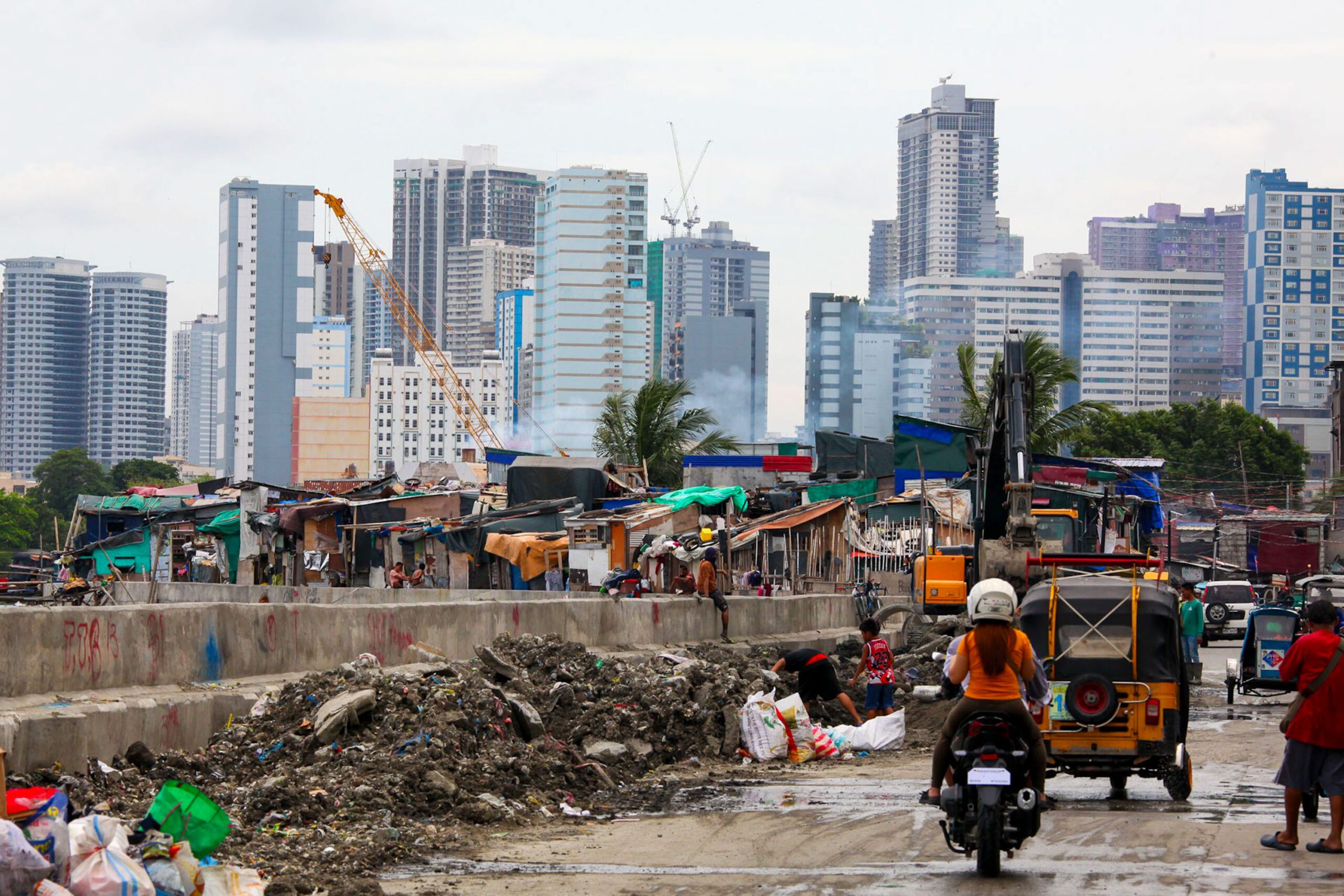
Around 6.5 million Filipinos moved above the poverty line between 2023 and 2025. With poverty incidence now at 9.7%, the focus shifts to keeping families from slipping back: sustained jobs, incomes, and targeted support will be key to making these gains last.
Source: Rappler
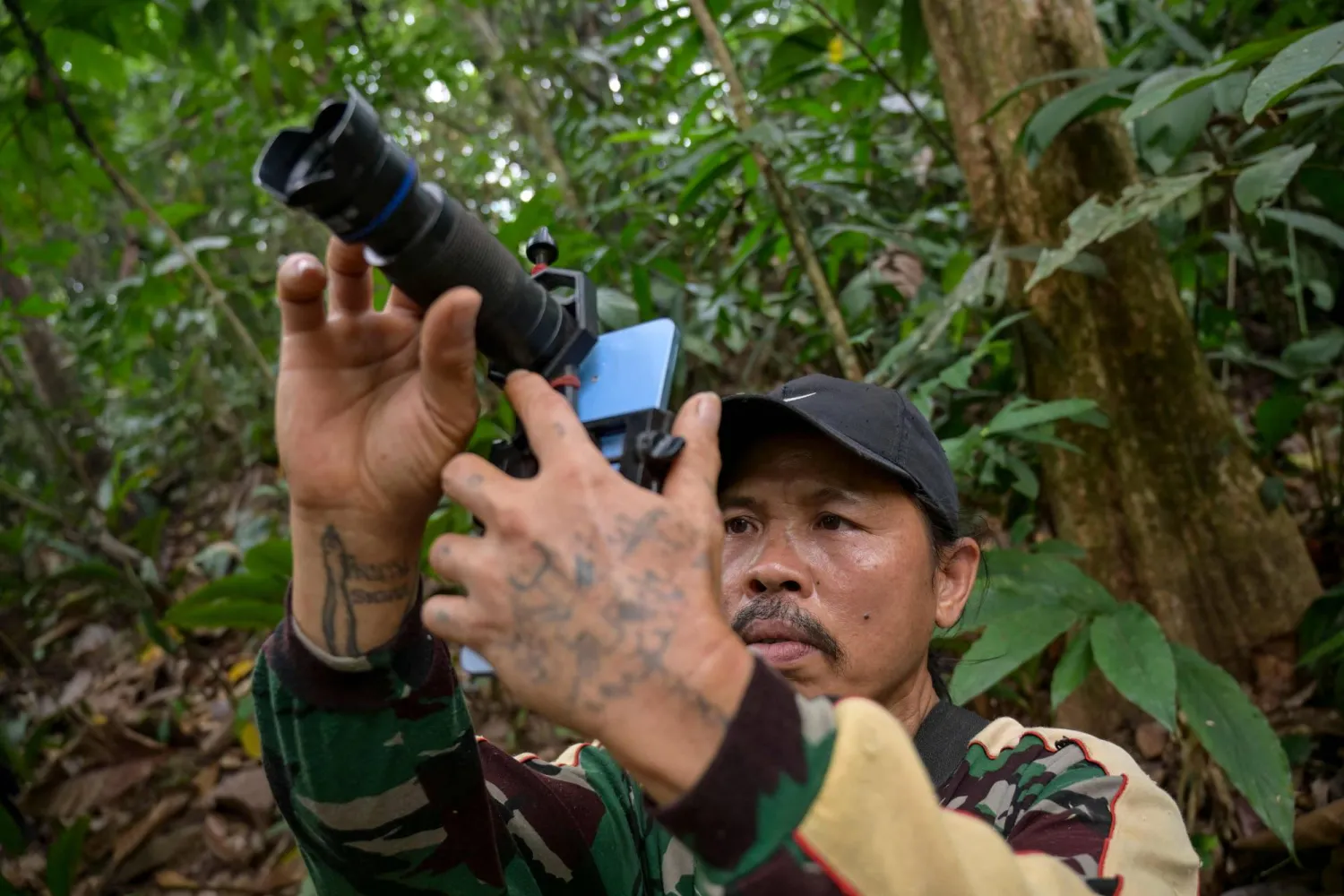
Indonesia is paying villagers to photograph wildlife instead of hunt it, creating a practical alternative to hunting whilst generating valuable data on threatened species. The cash-for-photos programme has already produced more than 350,000 wildlife observations, and two participating villages have voluntarily banned hunting.
Source: Aawsat
India has delivered more than eight million HPV vaccinations as part of a nationwide effort to prevent cervical cancer before it starts. The campaign offers 14-year-old girls a voluntary, free, single-dose vaccine against HPV, the infection responsible for most cervical cancer cases.
Source: New Indian Express
As Russian attacks target Ukraine’s electricity grid, solar power is helping homes, businesses and communities keep essential services running. The country added 1.5 GW of solar capacity in 2025, nearly twice the previous year, while rooftop panels and batteries provide a lifeline during outages.
Source: Grist
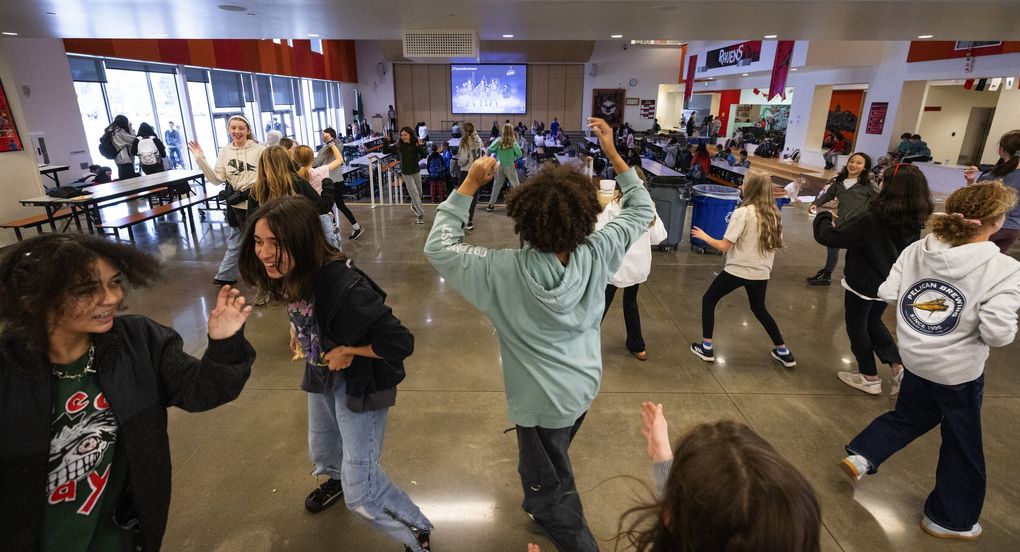
Seattle Public Schools will begin offering free meals to all students, removing cost as a barrier to school meals. The programme is funded by about $4.7 million from a voter-approved education levy for the 2027-28 school year, with a new state tax on high earners expected to fund the programme after this.
Source: Seattle Times
From bedtime stories to book clubs, reading for pleasure could do more than entertain: new data link it to better attention and memory, alongside fewer mental health problems. Researchers at the University of Cambridge say the findings add to evidence that reading can support cognitive health from childhood into old age, and that it’s never too late to start.
Source: Euronews
The familiar call to “save the bees” can obscure a crucial distinction: managed honeybees and threatened wild pollinators face very different ecological challenges, according to entrepreneur Noah Wilson-Rich. A closer look at bee conservation offers a clearer path to action, from protecting native habitats to supporting the wild pollinators ecosystems depend on.
Source: NHPR
Pesticide use in Kenya has risen steadily over the past few decades: pesticide imports surged from 6,400 tonnes in 2015 to more than 15,600 tonnes in 2019, with farmers now spending an estimated $70m (£52m) annually. However, a growing number are recognising both the health and environments these products bring with them and are turning to more sustainable alternatives.
Source: The Guardian
Female glowworms were spotted over multiple weeks at Nosterfield nature reserve this summer following a no-frills, almost zero-budget reintroduction of the much-loved invertebrates, which have vanished from the British countryside in recent decades and are notoriously difficult to re-establish.
Source: The Guardian
Accessible boats and specialised sailing schools are helping people with reduced mobility experience the freedom of the open water. At Spain’s Monte Real Yacht Club, free adapted sailing lessons and custom-built boats have been opening up the sport to people with functional diversity since 2012. Similar programmes around the world are using inclusive design to make new spaces accessible to all.
Source: Reasons To Be Cheerful