Photo: Ninara/flickr (CC BY 4.0)
In today’s edition: a village in Uttar Pradesh, India, is taking a new approach to depolarising political discourse, a new report points to waste heat as the future of energy security, and the UK establishes its National Centre for Information Defence.
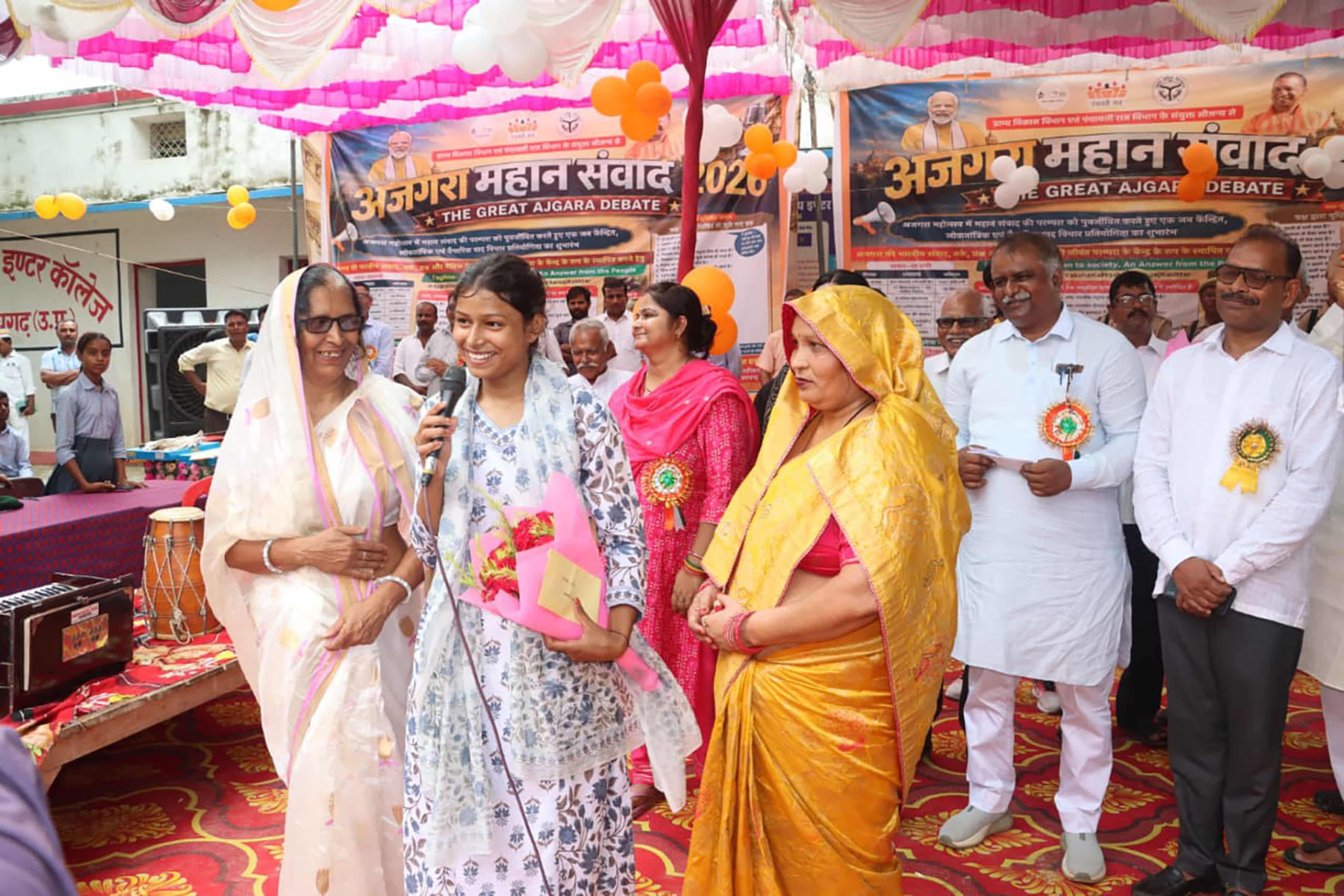
As political discourse in the country is increasingly suppressed and polarised, a local magistrate’s attempt to bring back a national tradition attracted thousands of participants to a village tent. The Great Ajgara Debate did not discriminate based on age or education: the youngest participant was a 10-year-old schoolboy, the oldest an 80-year-old farmer.
Source: The Guardian
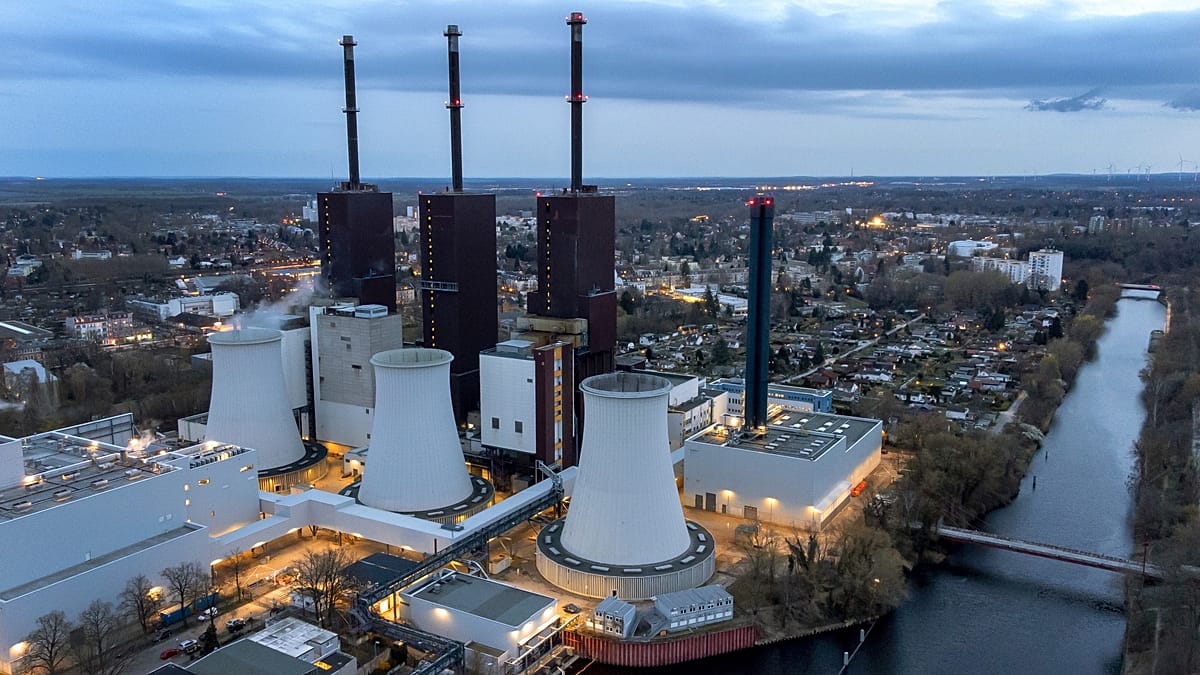
A new report found that two-thirds of global energy was wasted as heat in 2024, and as energy demand grows, this is expected to hit 55% by 2030. Capturing and reusing this heat might be a tangible solution to helping Europe sever its reliance on gas in the midst of geopolitical instability.
Source: Euronews
In order to combat state-sponsored disinformation, bad actors and deepfakes, the UK will establish a National Centre for Information Defence – all while advocating for more responsible global AI standards.
Source: BBC News
Although significant differences remain between countries and socio-economic groups, more Europeans are playing sports and exercising more than in 2022. Additionally, many Europeans say physical activity benefits their physical and mental well-being.
Source: Euronews
Also known as German measles, rubella is a contagious viral infection that can cause lifelong birth defects. Thanks to access to safe, effective and affordable vaccines – as well as improvements in disease surveillance, molecular epidemiology, immunisation coverage, and outbreak response – the World Health Organization has verified Thailand for eliminating rubella as a public health problem.
Source: WHO
Starting in April 2027, those who experience miscarriage before 24 weeks or unsuccessful IVF procedures will have a legal right to up to two weeks of unpaid bereavement leave, as will their partners. The right to bereavement leave will also be extended to workers who lose a spouse or partner, parent, adult child or sibling.
Source: Manchester Evening News
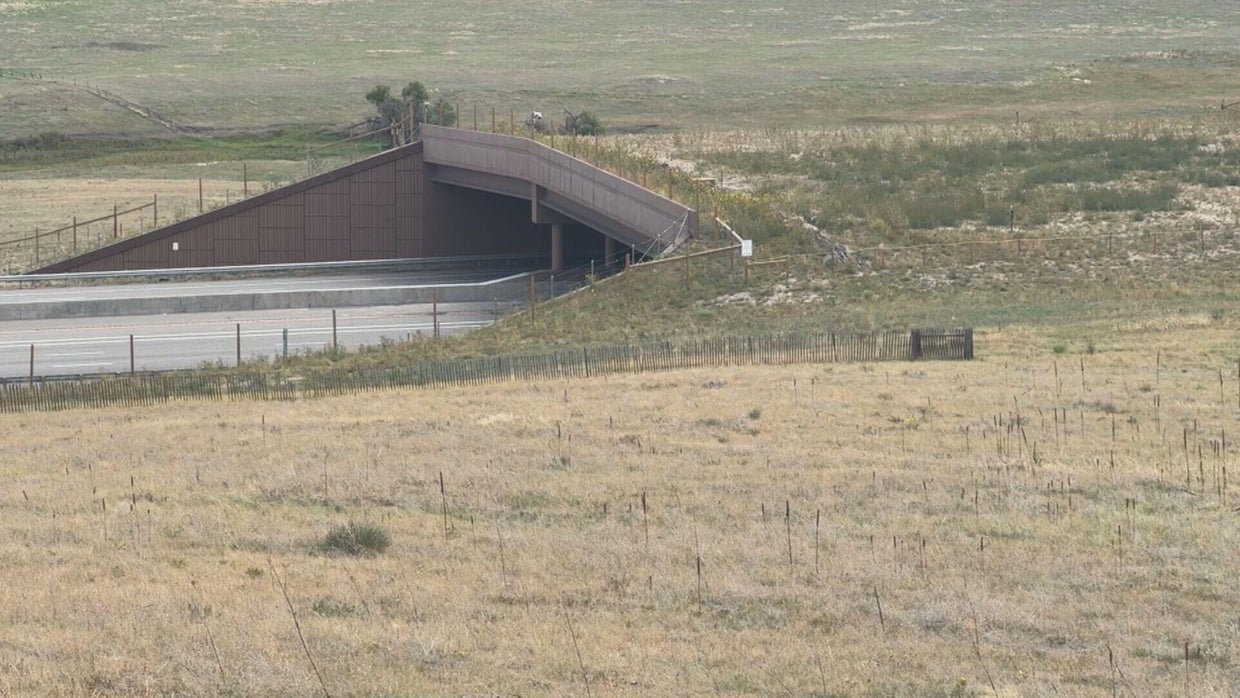
Nine months after the wildlife bridge opened in Douglas County, Colorado, initial data point to the overpass being a resounding success. The 209-by-200-foot overpass spans Interstate 25 near the Greenland exit between Larkspur and Monument, an area that has historically seen many wildlife collisions, and was designed especially for pronghorn and elk, although other species actively use it.
Source: CBS News
Food waste is a universal problem in developed countries: globally, over a billion tonnes of food is wasted each year, making up 10% of the world’s climate-warming emissions. South Korea got to almost-zero food waste thanks to volume-based waste fee, mandatory food waste separation, smart bins and bans on the dumping of food waste leachate into the ocean.
Source: BBC News
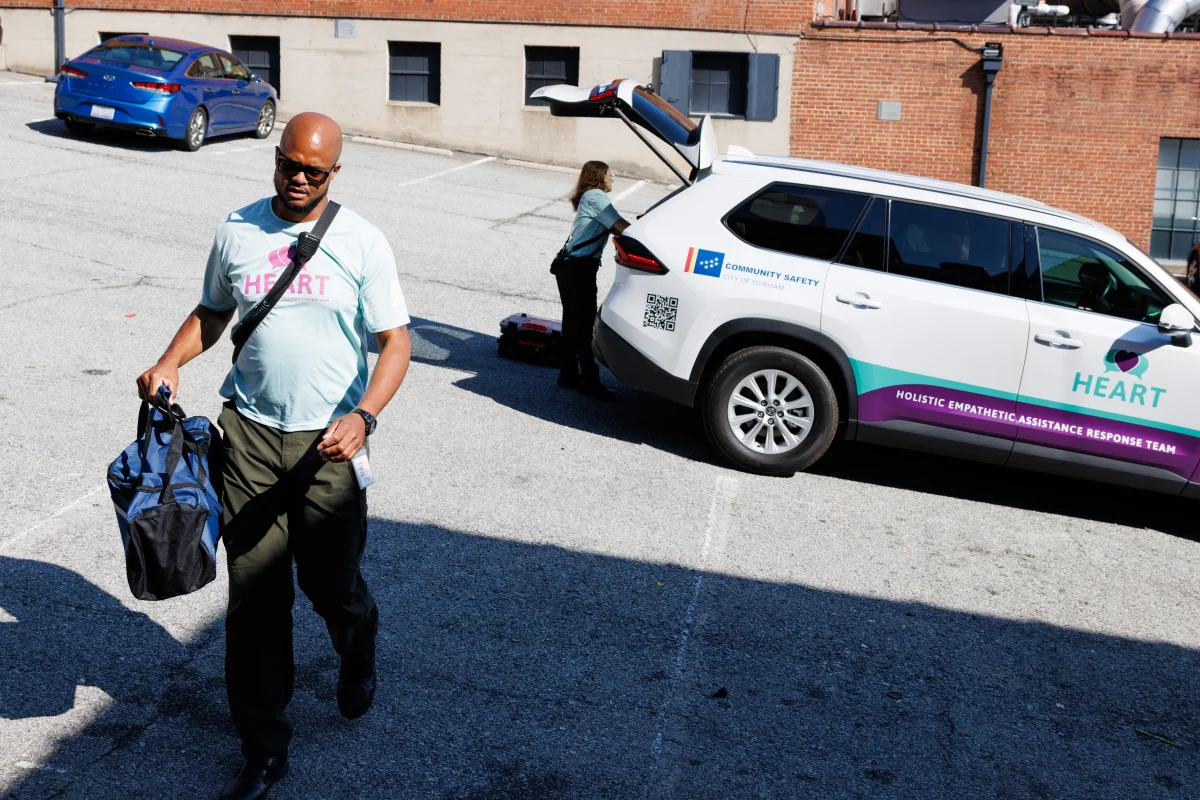
Unarmed community response teams comprised of peer support specialists and mental health clinicians are helping to lower rates of police brutality by taking a different stance on public safety. Emergency calls don’t always need an armed officer, and alternative or community responses are growing in prominence across the US.
Source: NPR
Czech film-maker Pepa Lubojacki originally set out to make a film about pigeons. However, after seeing the moral blind spot with these birds are treated, she was reminded of the way that people looked at homeless people like her older brother, she chose to use the film to start a conversation surrounding societal prejudice of addiction.
Source: The Guardian