Photo: Kateryna Hliznitsova/Unsplash+
In today’s edition: suicide prevention efforts have paid off across the EU, an Indian startup is training dogs to smell cancer cells, and Afghan women are delivering under-the-radar lifesaving medical care across the country.
Although member states are not affected equally and more men commit suicide than women, suicide rates have dropped across the EU in general. This is largely thanks to cultural conversation prioritising the importance of mental health issues, as well as tangible suicide prevention measures.
Source: Euronews
At a research centre outside Bengaluru, 15 trained dogs are learning how to identify cancer-related odours in human breath samples, as part of a novel approach to cancer screening. So far, the company claims a 90% success rate.
Source: Euronews
Under the Taliban, women are officially banned from studying medicine or receiving medical training, and their access to medical treatment is heavily restricted. To overcome this, family health houses offer care to both mothers and children, from vaccinations to high-risk deliveries.
Source: Reasons To Be Cheerful
Following more than five decades of public health prevention and surveillance, the World Health Organization has officially declared Chile the first country in South America to eliminate dog-transmitted rabies to humans. The WHO said the last reported case of dog-to-human rabies occurred in 1972.
Source: ABC News
A nonprofit organisation run by Black federal US lawmakers is hoping to engage lower-propensity voters in key districts in the midterm elections. The move comes after years of dissatisfaction over traditional efforts to reach such voters.
Source: AP News
Maré is a complex of 16 favelas home to 140,000 people, with problems such as poverty, armed drug traffickers and bloody police operations rife. From 1st October, local bars and restaurants will take part in a month-long competitive food trail made up entirely of Maré establishments, hoping to attract visitors from across the city who are often afraid to visit a favela.
Source: The Guardian
The reintroduction of dozens of bison in part of the Chihuahuan Desert is positively impacting the surrounding ecosystem in several major ways. By turning up the ground as they run, the bison unwittingly till the soil, creating openings that let in water and more favourable conditions for flora to grow.
Source: AS
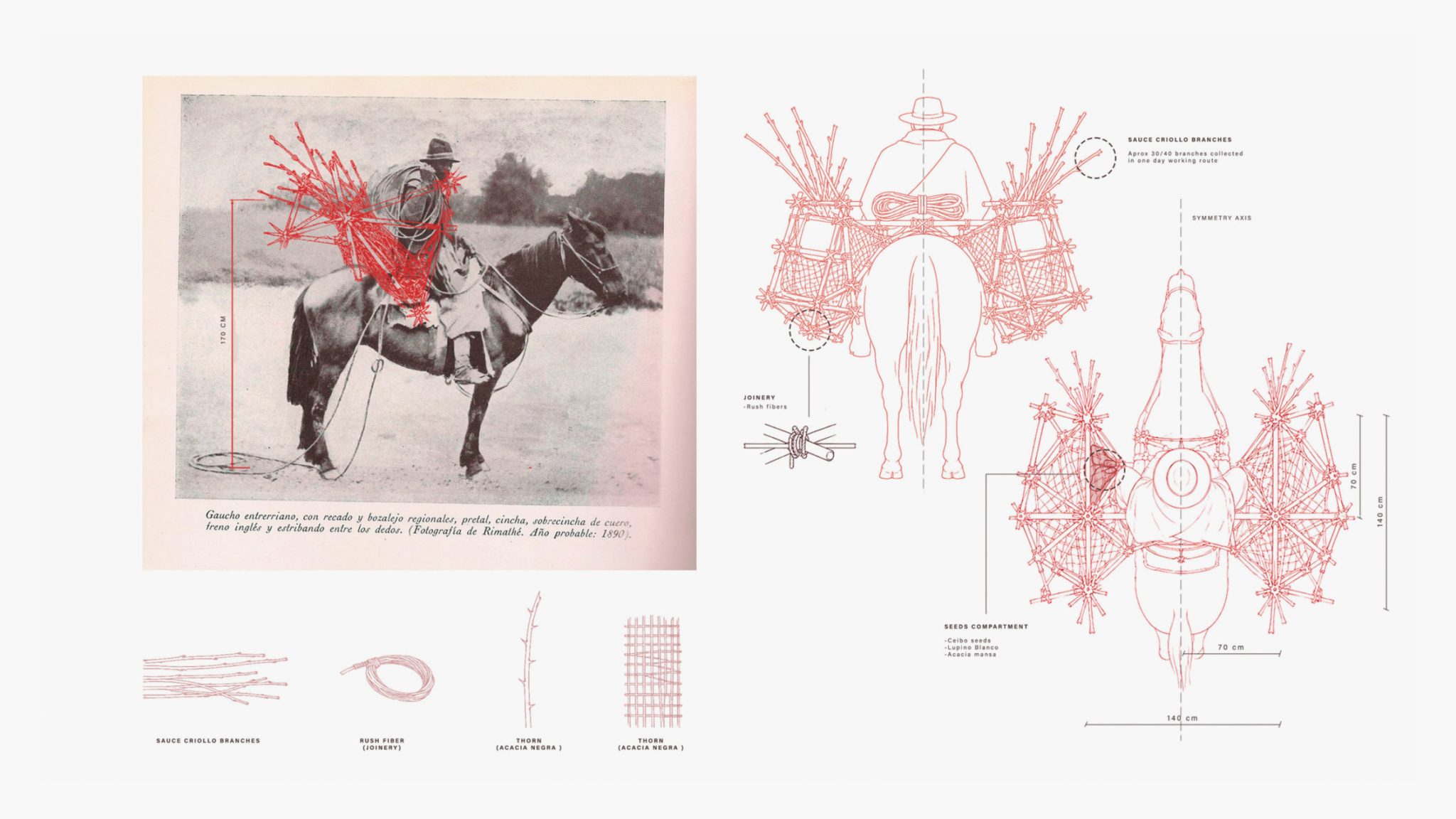
Students at IE University in Madrid have developed several circular design prototypes that would support habitat restoration. Made from natural materials, one prototype would help recreate flood-resilient interior home layers, while another would use horses as part of an ecological regeneration system.
Source: Dezeen
Thirty years after a US ornithologist first sighted a jocotoco antpitta in Ecuador, the foundation he set up to restore biodiversity is a model for conservation globally. Today, the foundation protects and manages 19 reserves throughout Ecuador, covering about 50,000 hectares.
Source: The Guardian
Singapore is paying its citizens to pick up a book for at least 15 minutes a day in an effort to improve concentration, critical thinking and the imagination of Singaporeans. Under the scheme, readers accrue points that can be redeemed for a few cents. People will have to log 50 daily reading sessions on a government website to earn S$1.
Source: The Guardian