Photo: Salohiddin Kamolov/Unsplash (CC0)
In today’s edition: Uzbekistan has seen its poverty rate drop by a third in a single year, Norway opens its biggest-ever marine protected area, and an interactive map tracks almost 1,000,000 trees across Berlin and calculates the water needs of each so residents can intervene.
In practical terms, the drop in the poverty rate from 5.8% to 2.9% means that the number of people in need now stands at 1.5 million, compared to 2.2 million at the start of the year. The fall is credited to targeted work with families alongside wider governmental support through means of improved infrastructure and funding for entrepreneurial projects.
Source: Daryo
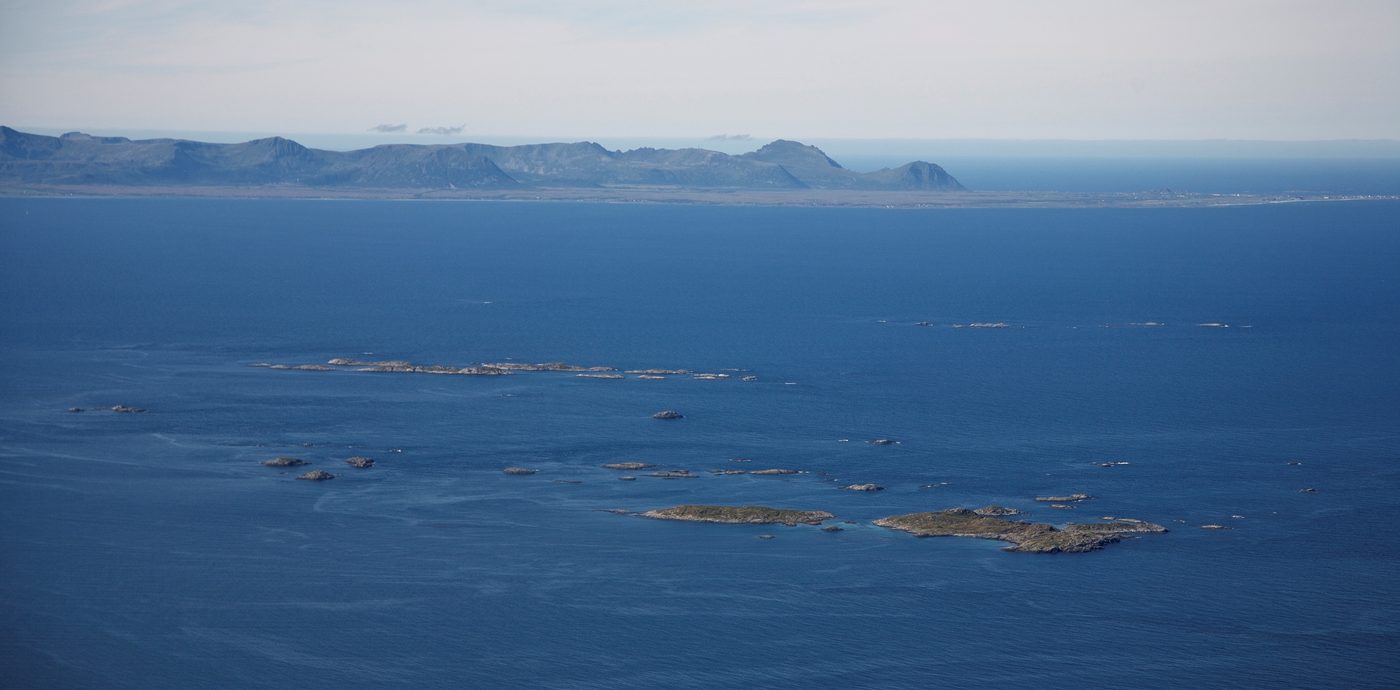
Equivalent to the size of 260,000 football pitches, the Andfjorden marine protected area is famed for its cold water coral reefs and kelp forests. After a long campaign by environmentalists, the area will now continue to support a huge range of different fish species, as well as sperm whales and seabirds.
Source: Good News Network
Fatima Ezzahra El Mansouri becomes only the third woman to serve as prime minister in the Arab world, following Najla Bouden’s tenure in Tunisia from October 2021 to August 2023, and Tunisia’s current Prime Minister Sara Zaafarani, who was appointed in March 2025.
Source: Al Jazeera
Starting immediately, almost a kilometre-long stretch of the road from Orchard Street to Great Portland Street will ban buses, taxis, bikes and other vehicles. The choice to go traffic-free in one of the busiest consumer regions of the capital follows mayor Sadiq Khan’s creation of ultra-low emissions zones, which saw a huge drop in air pollution alongside an increase in public safety.
Source: BBC News
Governor Gavin Newsom signed Bill AB 1267 into law on September 30th, setting 18 as the minimum age for marriage in the state, with no exceptions. Prior to this new legislation, California had no statutory minimum marriage age whatsoever, meaning that a minor of any age could legally wed as long as they obtained both parental consent and judicial approval.
Source: NPR
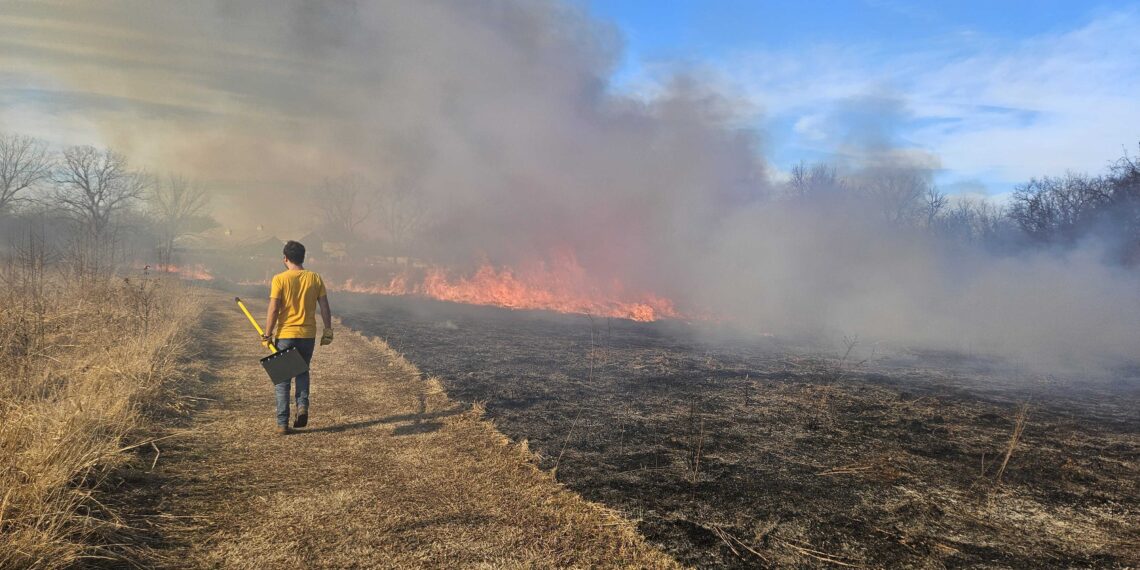
For generations, prescribed burnings were a regular occurence in Oklahoma – but decades of fire exclusion have let woody plants expand into grasslands and open woodlands. With wildfire risk increasing across the US, prescribed burn associations are helping landowners share the equipment, labour and practical knowledge needed to successfully use the practice.
Source: Mvskoke Media
The resolution was brought forward by the NAIWA Daughters: a group of Indigenous girls aged 10 to 17, making it the first all-female-led rights-of-nature effort in the US. The campaign built on the foundations of the rights-of-nature movement, which argues that ecosystems and natural entities should have legal standing to exist and flourish.
Source: Mongabay
An interactive map tracks more than 900,000 trees across Berlin and calculates the water needs of each one based on its age, species and local rainfall. The Gieß den Kiez project allows volunteers to coordinate on a city-wide level: users can see the last time a tree was watered, log a watering, while colour-coding indicates trees in urgent need.
Source: The Guardian
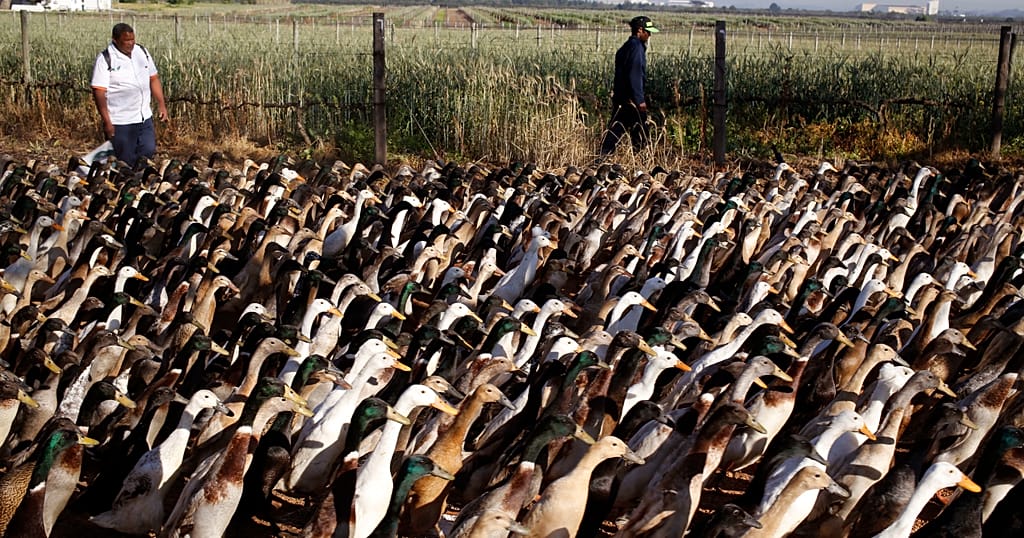
Over one thousand Indian runner ducks can be found on the Vergenoegd Löw Wine Estate in South Africa’s Western Cape, trimming down crops and weeds and eating insects. The birds form part of the wine farm’s regenerative farming technique, along with their cattle and sheep colleagues.
Source: Africa News
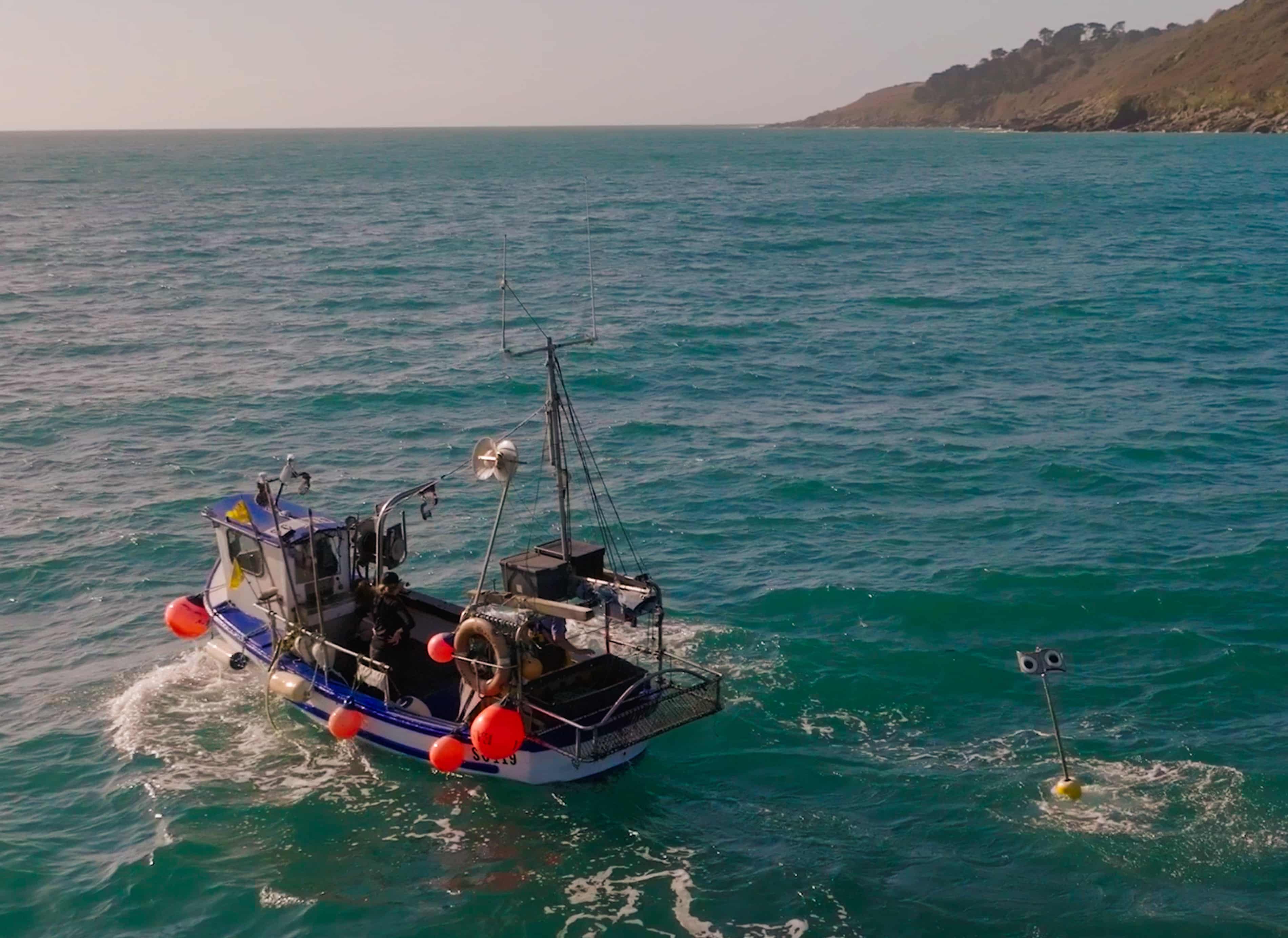
Bird-shaped kites and a floating scarecrow are being tested to try to stop endangered seabirds drowning in fishing nets. Every year an estimated 95,000 diving birds, including razorbills and guillemots, are accidentally caught in nets off European coasts. But simple deterrents tested by Cornish fishers and devised by scientists and the RSPB have been shown to reduce the toll by about two-thirds.
Source: The Guardian