
Kosovo concludes 27 years of landmine clearance
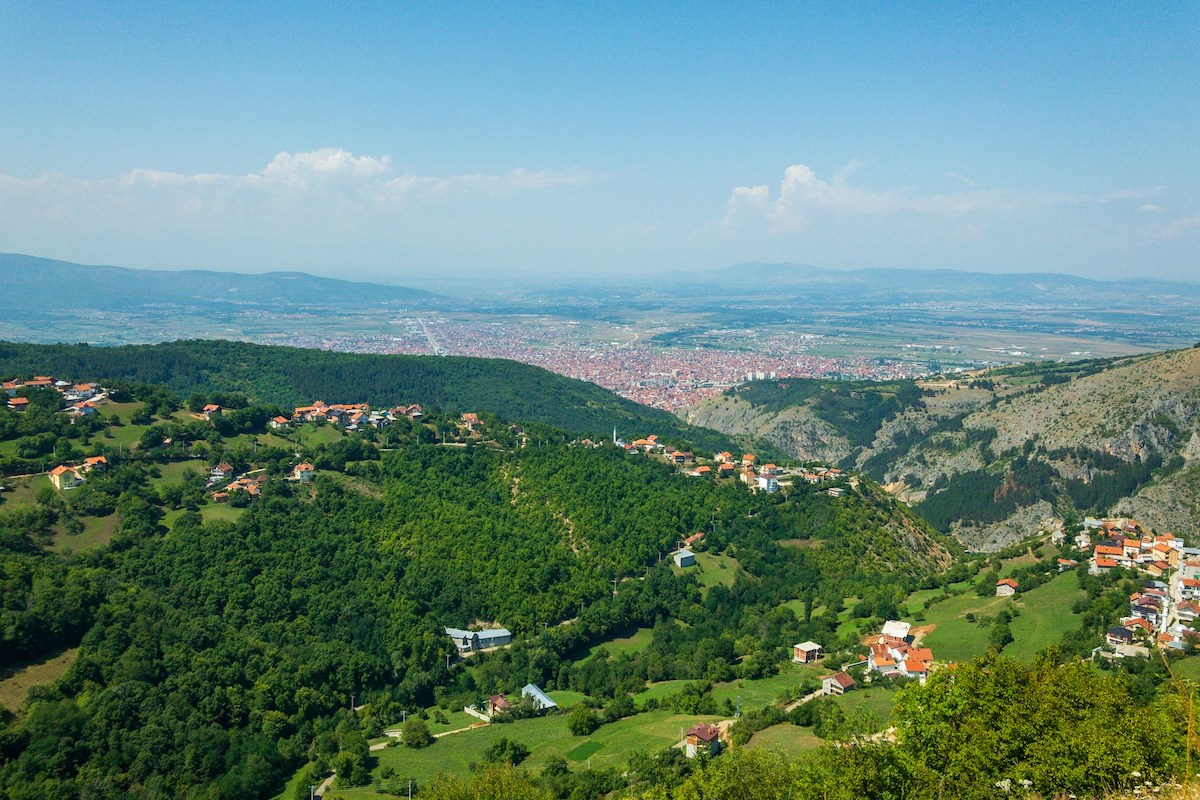
Kosovo has officially concluded its humanitarian landmine clearance operations, according to new reports. Led by The HALO Trust, the announcement comes twenty-seven years after the end of the 1999 conflict, during which thousands of cluster munitions and landmines were scattered across the country.
For nearly three decades, these hidden mines restricted economic development and claimed many lives: in the first month after the war, an estimated 150 people were killed or injured by landmines, 71% of them under 24 years old.
What does it mean when a country is declared “mine-free”?
Under the framework of the 1997 Ottawa Treaty, such a status does not guarantee that every single explosive item has been eradicated. Instead, it signifies that a nation has systematically surveyed, identified, and cleared all known or suspected mined areas. It also means the country has established residual protocols to manage any isolated explosive items that might be found by citizens in the future. Ultimately, it transitions a territory from an active crisis state to a secure environment for infrastructure and agriculture.
Kosovo now joins a growing group of nations that have recently reached this goal, although due to high costs and the practicalities of mine removal few countries manage to cross this finish line. Notable successes include Oman (2021), Chile (2020), Mauritania (2018) and Croatia (2026).
The age of landmines is not over yet
Despite these success stories, the global fight against landmines faces severe challenges. At least 58 countries remain heavily contaminated, with the greatest setback being the resurgence of landmines in active conflicts, most notably in Ukraine, which is now the most heavily mined country in the world. Furthermore, geopolitical tensions have caused shifts in which countries like Poland, Finland, Estonia, Latvia, and Lithuania have recently reassessed or withdrawn from treaty constraints to fortify their borders.
Compounding this are new technological threats, such as drone-delivered scatterable mines, while global funding for humanitarian demining is shrinking. For impacted regions in Afghanistan or Sub-Saharan Africa, lack of funds directly threatens clearance and victim assistance. Kosovo’s triumph proves eradication is possible, but a truly mine-free world requires continued global solidarity.
This article has partially been written with the support of AI.
Photo: Besart Ademi / Unsplash (CC0)

Read more